
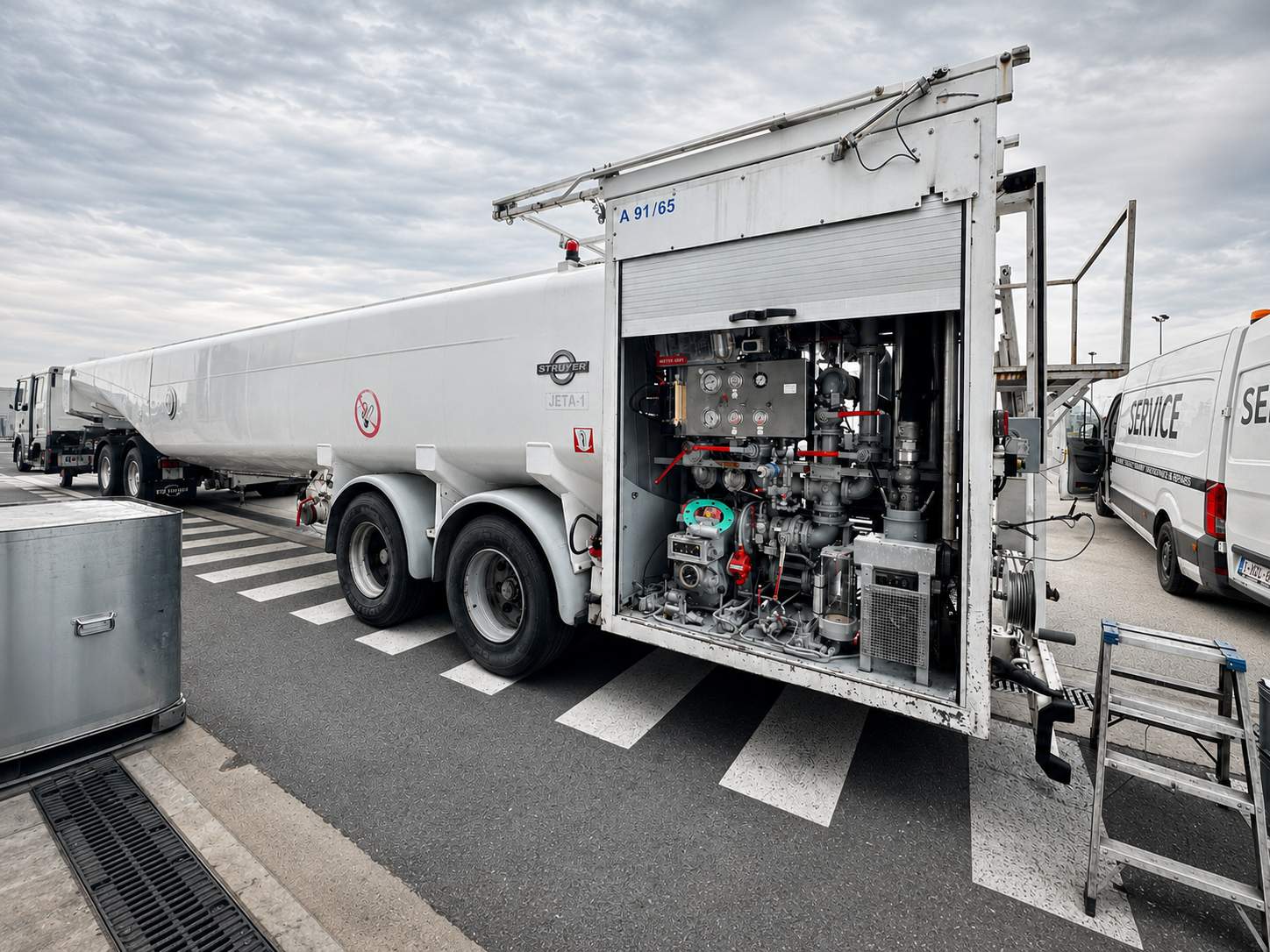

Aircraft refueller lifecycle costs begin with acquisition, but the purchase price cannot show what it will take to keep the vehicle ready for service.
Consider a hose replacement. The assembly has a price, but someone must also prepare the vehicle, carry out the work, complete the required checks, and update its records. During that intervention, the fleet still needs to meet its operating commitments.
That is the challenge of lifecycle budgeting: connecting expenditure to the complete job and the service it supports.
The question is not simply “What will this refueller cost?” but “What must we fund throughout its working life?”
1. Start with the Vehicle’s Operating Requirement
Before assigning costs, define the planning period, expected utilisation, aircraft population, fuel service, and required availability. Include the operating environment and the maintenance support available at each location.
Record mileage, engine or pump hours, and delivered volume where available. Use each measure consistently: road mileage alone should not represent a vehicle’s complete operating duty. For standby equipment, include the inspections, maintenance, and readiness activities required despite limited fuel delivery.
Also agree on what the budget covers. Vehicle ownership, fleet support, and the complete into-plane service represent different budget scopes. Decide how operator labour, insurance, workshop resources, and shared equipment will be allocated.
The broader principle follows established lifecycle-costing guidance: account for acquisition, operation and end-of-life expenditure, rather than comparing purchase prices alone.
2. Budget Beyond the Purchase Price
Start with the cost of achieving operational acceptance. Check whether the procurement includes delivery, applicable registration or approval, commissioning, acceptance testing, meter proving or calibration, documentation, initial spares and training.
Identify inclusions before adding separate allowances. A cost already covered by the purchase agreement should not reappear elsewhere, while an excluded activity needs a clear budget owner.
Then forecast the resources needed while the vehicle is in service. Include vehicle energy, applicable operating labour, insurance, consumables, and continuing competence or technical support requirements. Account for stationary pumping and auxiliary operations as well as driving; keep the vehicle’s energy consumption separate from the aviation fuel delivered.
For electric equipment, establish responsibility for charging infrastructure and configuration-specific maintenance. Review warranty coverage just as carefully: identify which repairs and associated costs are covered. Do not assume that the warranty eliminates the need for routine servicing or operational cover.
3. Separate Maintenance, Repairs and Modifications
Keep these activities distinguishable when forecasting aircraft refueller lifecycle costs, even when they are completed during the same workshop visit.
Preventive maintenance should follow the applicable programme for both the chassis and fuelling equipment. Depending on configuration, allow for servicing, filtration work, hose inspections and testing, meter proving, pressure-control checks, bonding, interlocks and emergency functions. Translate each task into its specified calendar, utilisation or condition-based trigger—not an assumed annual package.
EI 1540 provides an engineering reference for aviation-fuelling equipment maintenance and testing. Establish the vehicle’s programme against the applicable legal requirements, adopted operating standards and manufacturers’ instructions.
Corrective work needs a separate allowance for investigation, repair, parts and verification. Use defect history to support the forecast and keep recurring problems identifiable. Budget approval must never become a reason to operate equipment with an unresolved safety-critical defect.
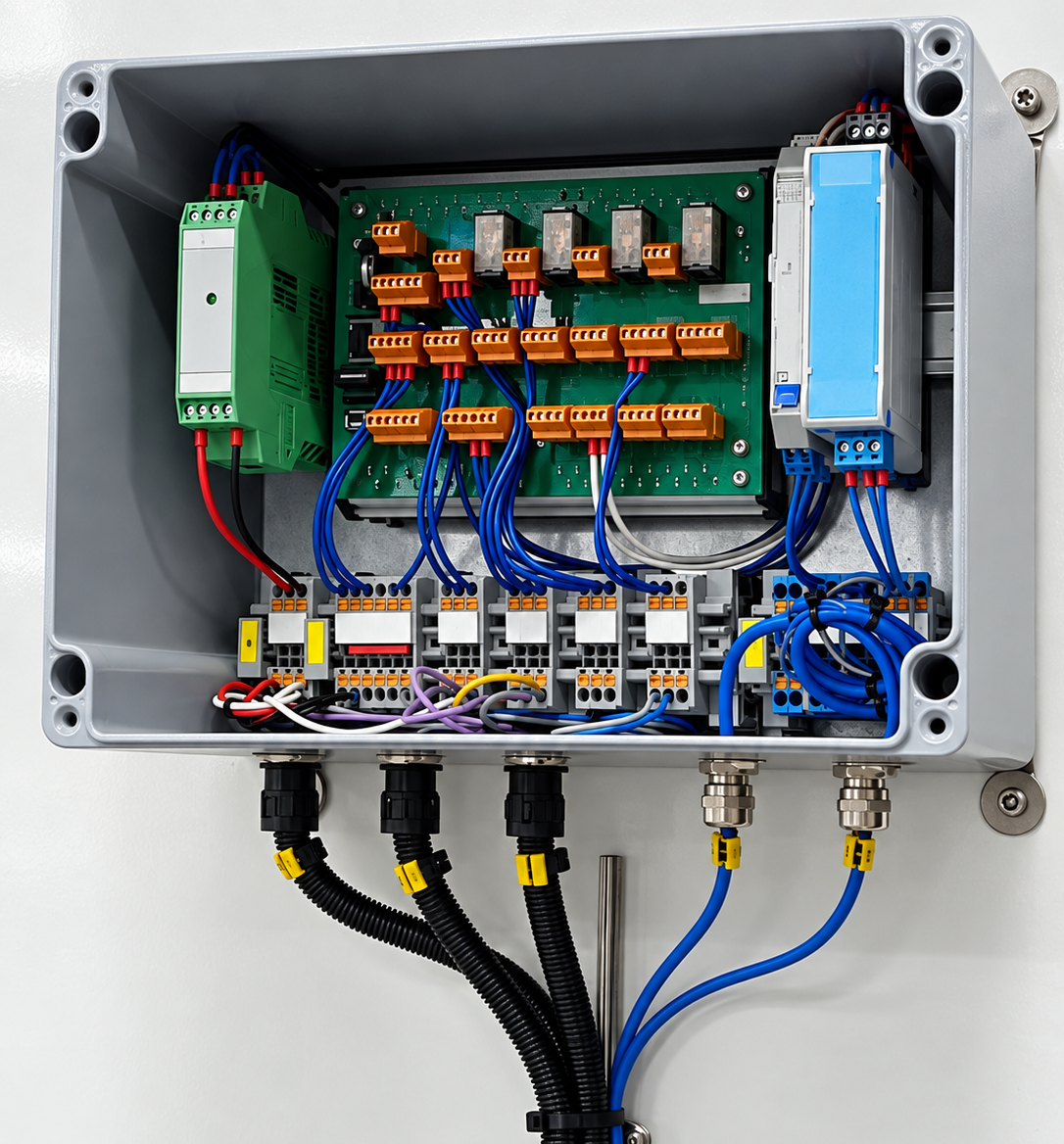
Modifications need their own scope and approval. A control-system upgrade or revised hose arrangement may involve engineering assessment, drawings, testing and training as well as hardware.
For organisations within its scope, Regulation (EU) 2025/20 introduces ground-support-equipment maintenance obligations applicable from 27 March 2028. Longer-term budgets should include any necessary preparation for its maintenance, competence and record-keeping requirements.
4. Include the Work Around the Repair
For the hose example, a complete allowance should cover safe preparation, removal, fitting, the commissioning and testing required by applicable procedures, fuel handling, and updates to the hose records. Changes to the hose configuration can also affect pressure-control verification, as explained in ARC’s article on fuelling hose replacement and pressure control.
For specialist interventions, establish responsibility for vehicle transport, technician travel, site access, working space, test equipment, consumables, and waste handling. Include the relevant preparation and verification time in the operational schedule.
A maintenance agreement should clearly define those boundaries. Confirm what routine visits include, what requires separate authorisation, and what remains the operator’s responsibility. Distinguish an attendance commitment from a return-to-service commitment: arriving at the vehicle and restoring it are distinct milestones.
Where practical, coordinate compatible planned tasks to avoid unnecessary repeat mobilisation. Do not achieve scheduling efficiency by postponing required work.
The same principle applies at completion. Allow for functional verification, any required recommissioning and the records supporting release. The intervention ends when the equipment is ready for authorised return to service—not when the replacement part has been fitted.
Discuss the scope of work with ARC’s maintenance and repairs team to establish responsibilities before work is scheduled.
5. Connect Spare Parts with Downtime Planning
Assess critical spares by operational consequence, lead time, compatibility, and storage requirements—not purchase value alone. Check that the parts information matches the installed configuration and that suitable personnel and tools will be available. This connects the budget to the supportability and availability considerations addressed by IEC 60300-3-14.
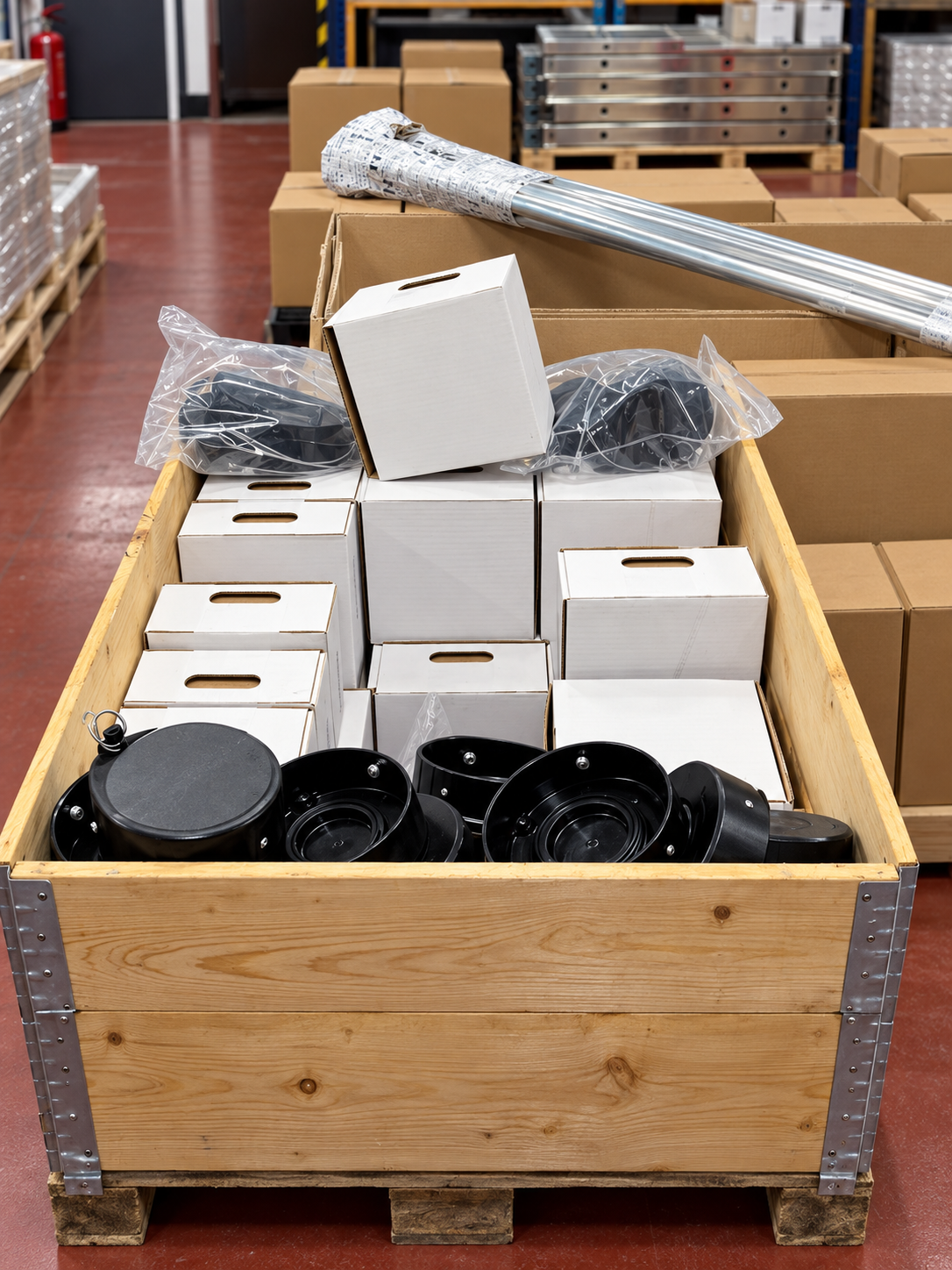
Compare individual holdings, shared fleet stock, and supplier support. ARC’s refuelling equipment spare parts support provides a starting point for reviewing specialised components and obsolescence.
Build the downtime forecast around the complete sequence: diagnosis, approval, mobilisation, parts delivery, repair, and verification. Then establish how the fleet will cover that absence.
Budget for the relevant consequences, such as replacement equipment mobilisation, additional vehicle movements, or overtime. Avoid counting both effective backup provision and an assumed complete loss of the service it maintains.
A contingency allowance provides funding; it does not provide a replacement refueller. Confirm operational cover alongside the financial allowance.
6. Plan Major Interventions and Retirement
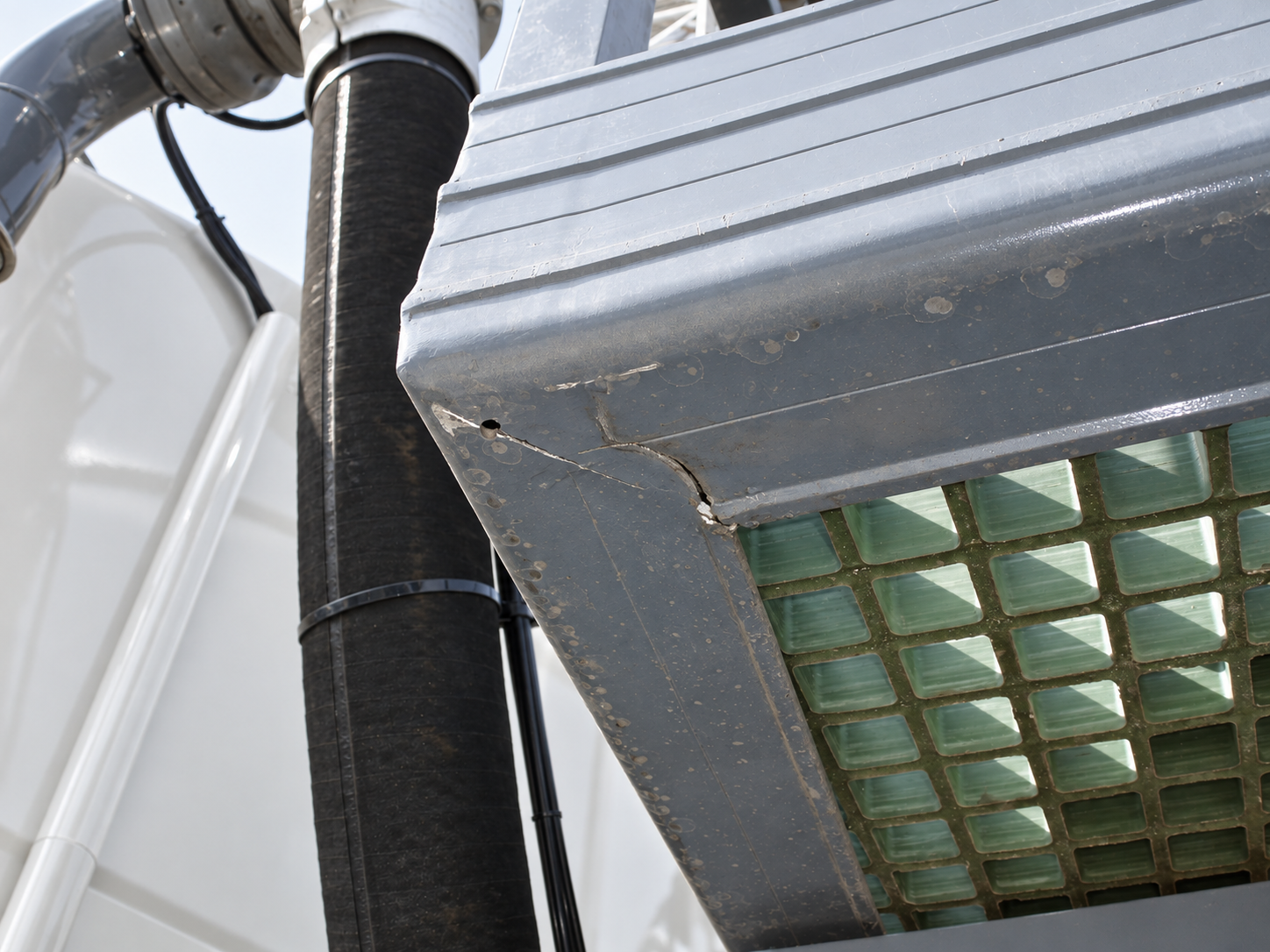
Use inspection findings, reliability history, obsolescence and future operating needs to plan major expenditure. Do not assign every refueller the same refurbishment or replacement age.
When refurbishment is appropriate, budget it as an engineering project. Include assessment, dismantling, decisions on retained equipment, rebuilding, testing, documentation, and recommissioning. Keep uncertain work visible until inspection establishes its scope.
ARC’s aircraft refueller refurbishment guide explains the process in detail. For budgeting, the essential distinction is between a preliminary allowance and an authorised project scope.
Compare continued maintenance, refurbishment, and replacement over the same assessment period and against the same operating requirements. Apply the organisation’s approved financial method, using consistent inflation and discounting assumptions and evidence-based residual values. Keep accounting depreciation separate from the cash-expenditure forecast.
Retirement also needs funding. Consider product removal, cleaning, decommissioning, transport and disposal as applicable. Offset these costs only with a supportable estimate of resale or recovery value. End-of-life expenditure and residual value are both recognised elements of lifecycle costing.
ARC’s maintenance-versus-replacement article addresses the complementary question of when continued investment in an existing vehicle remains justified.
7. Organise and Review Aircraft Refueller Lifecycle Costs
Bring the forecast together in a structure that engineering, operations and finance can all use.
| Budget area | Include |
|---|---|
| Entry into service | Acquisition, delivery, commissioning, acceptance, initial documentation and training |
| Recurring operation | Vehicle energy, allocated labour, insurance, consumables and shared resources |
| Planned maintenance and assurance | Servicing, inspections, testing, calibration or proving and maintenance records |
| Corrective work and continuity | Diagnosis, repairs, mobilisation, critical spares and operational cover |
| Major interventions and retirement | Upgrades, refurbishment, replacement, decommissioning and residual value |
For each item, record its scope, timing, responsible party, estimate basis, and approval status. Forecast the costs of scheduled tasks based on the work due, required resources, and applicable quotations. Use operating history to develop corrective allowances, identifying uncertainty rather than disguising it as precision.
Allocate each cost once. In a cash forecast, for example, do not count both buying a stocked spare and issuing that same item from stock as separate purchases.
Maintain a near-term spending plan alongside the longer-term forecast. Update both when utilisation, inspection findings, service scope or parts support changes.
Review expenditure against completed work and unavailable time. Cost per operating hour or per cubic metre delivered can help, but only when the cost boundary and activity measure are consistent. Keep the standby role of contingency vehicles visible.
A low maintenance bill is not evidence of good performance if required work remains overdue. The useful question is whether expenditure is delivering the condition, reliability, and availability the fleet needs.
Conclusion: Budget for Continued Service, Not Just Ownership
Managing aircraft refueller lifecycle costs means connecting funding to actual work, clear responsibilities and operational continuity.
The complete picture includes acquisition, operation, maintenance, testing, spares, downtime, major interventions and retirement. It also recognises that records, competence and technical support are resources to fund—not administrative extras.
A useful budget makes the required work and the remaining uncertainties visible before a breakdown or an unsupported component forces the decision.
Contact Us
ARC NV supports aircraft-refueller operators through construction, inspection, maintenance, refurbishment, spare parts and lifecycle planning.
Whether you are preparing a procurement, developing a fleet budget, or reviewing an existing vehicle, our team can help establish the technical requirements behind the decision.
Explore our Vehicle Lifecycle Management services or contact ARC NV to discuss your fleet’s operating requirements, maintenance history, and future support needs.
Email: question@arc-refuellers.be
Tel: +32 3 844 55 68.

 Refuellers
 Dispensers
 Military Applications
 Spare Parts
 Maintenance & Repairs
 Vehicle Refurbishment
 Vehicle Inspection
 Vehicle Life Cycle Management

