


Aircraft refuellers are essential vehicles in the aviation industry, providing a critical service to ensure that aircraft are properly refuelled before takeoff. The construction of aircraft refuellers involves addressing various engineering challenges through careful planning, design, and execution.
In this article, we will explore the key engineering challenges in aircraft refueller construction, focusing on the technical, safety, and operational considerations that must be addressed to create a reliable and efficient aircraft refueller.
Introduction to Aircraft Refueller Construction
An aircraft refueller is a specialized vehicle designed to deliver aviation fuel to aircraft at airports and airfields. These vehicles come in various sizes, from smaller units for regional aircraft to larger, high-capacity units for wide-body aircraft.
The construction of an aircraft refueller requires a thorough understanding of fluid dynamics, structural integrity, and safety regulations, as well as the integration of advanced fuelling systems. In this article, we will highlight the engineering challenges faced during aircraft refueller construction and the technological innovations that have been introduced to solve these challenges.
Fuel System Design and Integration
One of the most critical aspects of aircraft refueller construction is the design and integration of the fuel system. This system must be capable of safely storing and transferring fuel from the refueller to the aircraft’s fuel tanks without any risk of spillage or contamination.
The fuel system consists of several key components, including:
-
Fuel Tanks: These are designed to store large quantities of aviation fuel safely. Engineers must ensure that the tanks are properly insulated, corrosion-resistant, and capable of withstanding the pressures involved in fueling operations.
-
Pumps and Transfer Mechanisms: The transfer system needs to be robust and efficient, capable of delivering fuel at the required flow rates. Engineers must design systems that balance power, flow rate, and safety.
-
Filtration Systems: To prevent contamination of aircraft fuel, refuellers must have advanced filtration systems that ensure only clean fuel is transferred. Any impurities could cause engine failures or other serious issues for the aircraft.
The challenge here is not only in ensuring that each of these components functions correctly, but also that they can operate seamlessly as part of an integrated system. Designing a fuel system that is reliable, efficient, and meets strict aviation regulations is one of the major engineering hurdles in aircraft refueller construction.
Structural Integrity & Weight Distribution
Aircraft refuellers need to be built with robust structural integrity, as they are constantly exposed to harsh environmental conditions, including extreme temperatures, vibrations, and heavy workloads. The refueller must be able to safely transport large volumes of aviation fuel without compromising its stability or durability.
One of the key challenges in the construction process is managing weight distribution. Fuel tanks can be heavy, especially when full, so the weight distribution must be carefully considered during the design phase. Proper weight distribution ensures that the refueller maintains balance while in motion, preventing accidents and improving overall safety. Engineers must consider:
-
Material Selection: Choosing the right materials for the construction of the refueller is crucial for ensuring both strength and weight efficiency. Lightweight, durable materials such as aluminum or steel alloys are commonly used.
-
Frame Design: The structural frame must be designed to handle both the weight of the fuel and the dynamic loads experienced during movement. A well-designed frame ensures the refueller can withstand mechanical stress without deformation or failure.
Ensuring the structural integrity of an aircraft refueller while keeping it within weight limits can be an intricate balancing act, requiring advanced engineering techniques and careful testing.
Safety Features & Regulations
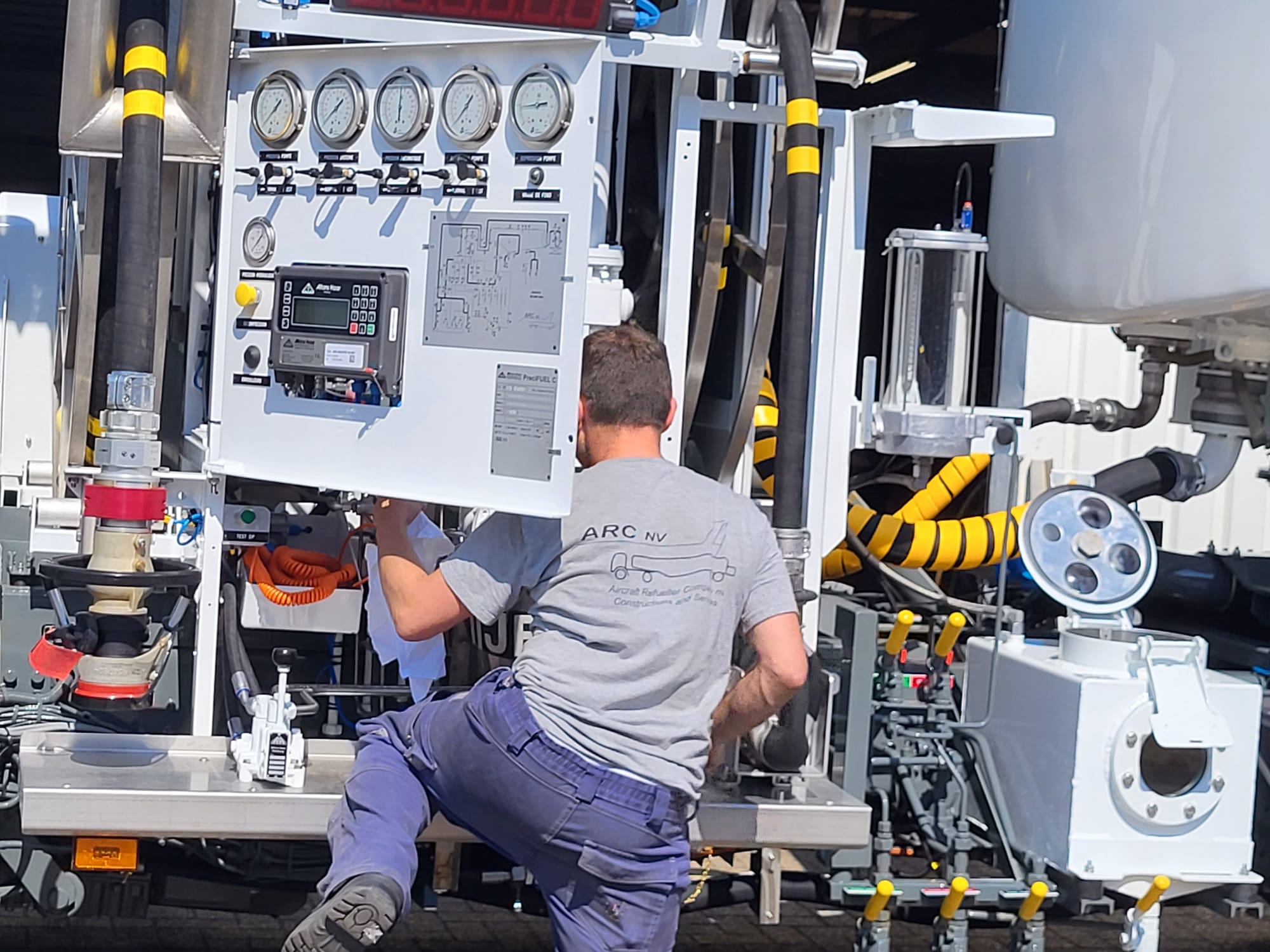
Safety is paramount in aircraft refueller construction, given the highly flammable nature of aviation fuel and the potential risks involved in fueling operations. Aircraft refuellers must meet rigorous safety standards set by international aviation and regulatory bodies, such as the Federal Aviation Administration (FAA) and the European Union Aviation Safety Agency (EASA).
Several safety features must be integrated into the design, including:
-
Explosion-Proof Electrical Systems: Refuellers are equipped with electrical systems that must be intrinsically safe to prevent sparks or overheating, which could lead to a fire or explosion.
-
Overfill Protection: A key safety mechanism is overfill protection, which prevents the accidental overflow of fuel during the loading process. This is often achieved through automatic shutoff systems or high-level alarms.
-
Ventilation Systems: Refuellers need proper ventilation to prevent the buildup of flammable vapors. Engineers must design ventilation systems that can effectively disperse vapors without affecting the fuel flow or vehicle performance.
-
Fire Suppression Systems: In the event of a fire, aircraft refuellers must be equipped with fire suppression systems, such as foam or dry powder extinguishers, to control and contain the blaze quickly.
Complying with safety regulations and incorporating these vital safety features into the refueller design adds significant complexity to the construction process. However, the protection of human lives and property makes these features indispensable.
Power & Performance Requirements
Aircraft refuellers are not just large tanks on wheels; they must also be able to maneuver efficiently on the ground and perform various tasks promptly. This requires careful attention to power and performance requirements, particularly in terms of engine selection, hydraulic systems, and maneuverability.
Engine Selection: Aircraft refuellers are typically powered by either diesel or electric engines, with diesel being more common due to its greater power output and range. Engineers must ensure that the chosen engine provides enough power to propel the refueller while remaining fuel-efficient and environmentally friendly.
Maneuverability: Refuellers must be able to navigate tight spaces at airports, such as taxiways, runways, and aircraft parking areas. As such, the chassis design and steering systems must allow for high levels of maneuverability and stability.
Hydraulic Systems: Hydraulic systems are often used to operate fuelling arms, cargo lifts, and other equipment on the refueller. These systems must be designed for reliability, ease of maintenance, and optimal performance under various environmental conditions.
The balance between power, performance, and efficiency is a critical engineering challenge in aircraft refueller construction. Achieving optimal performance while maintaining low fuel consumption and operational costs requires advanced engineering expertise.
Environmental Considerations
As the world moves toward more sustainable practices, the aviation industry is also placing greater emphasis on reducing its environmental impact. Aircraft refueller construction is no exception, and engineers are increasingly tasked with developing refuellers that are both environmentally friendly and energy-efficient.
Key environmental considerations include:
-
Fuel Efficiency: Engineers are working to design refuellers that minimize fuel consumption, either through more efficient engines or hybrid systems that combine electric power with traditional fuel sources.
-
Emissions Reduction: Reducing exhaust emissions from refuellers is another key area of focus. Advanced emission control technologies, such as catalytic converters or electric propulsion systems, are being integrated into refuellers to comply with tightening environmental regulations.
-
Sustainable Materials: The use of environmentally friendly materials, such as recyclable metals and biodegradable coatings, is becoming more prevalent in refueller construction to reduce the overall carbon footprint of the vehicles.
As environmental regulations become stricter, engineers in the aircraft refueller construction industry must find innovative ways to meet these standards without compromising performance or safety.
Conclusion
The construction of aircraft refuellers is a complex and challenging process that involves overcoming multiple engineering hurdles. From designing efficient and safe fueling systems to ensuring structural integrity and meeting safety regulations, aircraft refueller construction requires a high level of technical expertise. Additionally, with growing environmental concerns, engineers are increasingly tasked with developing more sustainable and energy-efficient refuellers.
The engineering challenges discussed in this article highlight the intricate balance between safety, performance, and innovation in the aircraft refueller industry. As technology continues to evolve, so too will the designs and capabilities of aircraft refuellers, helping to ensure that the aviation industry remains efficient, safe, and sustainable for years to come.
By understanding these engineering challenges and addressing them through innovative design and advanced technologies, engineers play a crucial role in the continued development of aircraft refuellers that meet the demands of modern aviation.

 Refuellers
 Dispensers
 Military Applications
 Spare Parts
 Maintenance & Repairs
 Vehicle Refurbishment
 Vehicle Inspection
 Vehicle Life Cycle Management

