
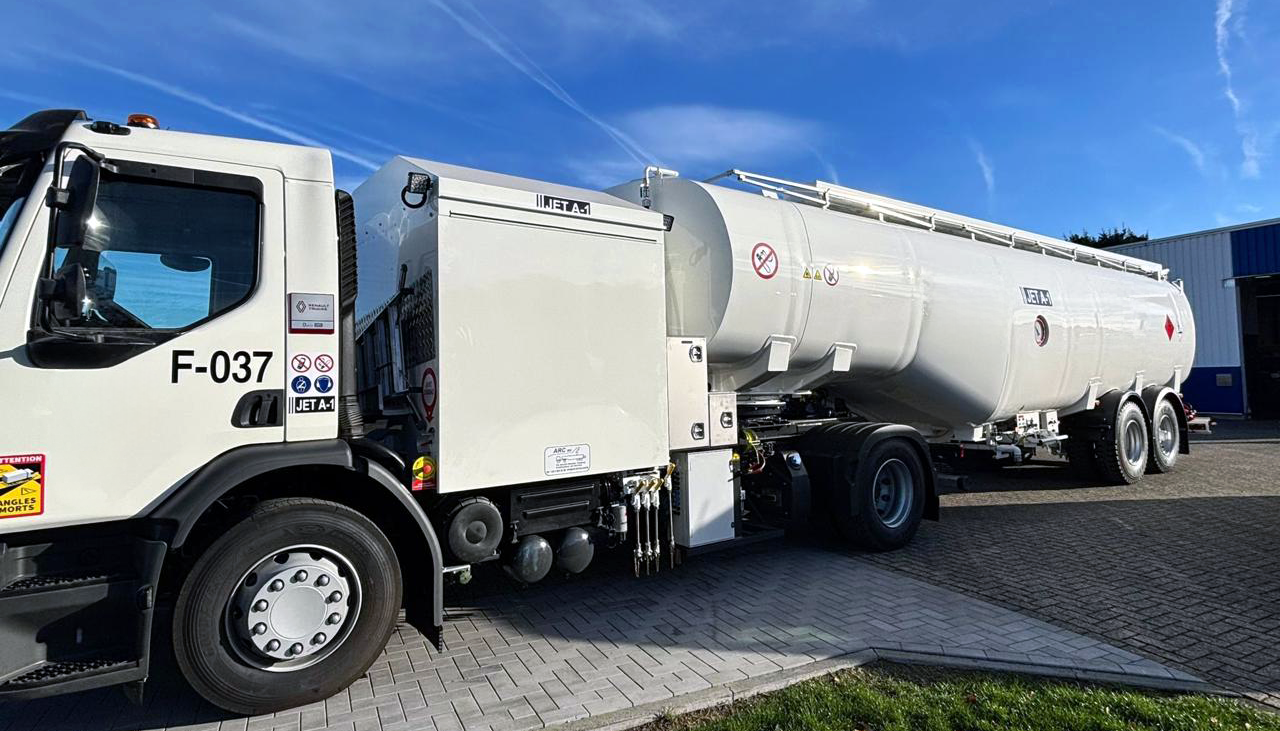

Selecting the right aircraft refueller vehicle is a critical decision that directly affects safety, efficiency, and operational reliability at any airport.
Whether operating a small regional airfield or a major international hub, airport operators must evaluate a range of technical, safety, and regulatory factors before investing in fuel-service equipment. The aircraft refueller is not just a vehicle—it is a key component of a broader aviation fuel management system that ensures clean, uncontaminated fuel is delivered accurately and safely to every aircraft on the apron.
With multiple manufacturers, configurations, and capacities available, choosing the right refueller requires a detailed understanding of airport needs, aircraft mix, regulatory standards, and long-term operational goals.
Assess Your Airport’s Operational Requirements
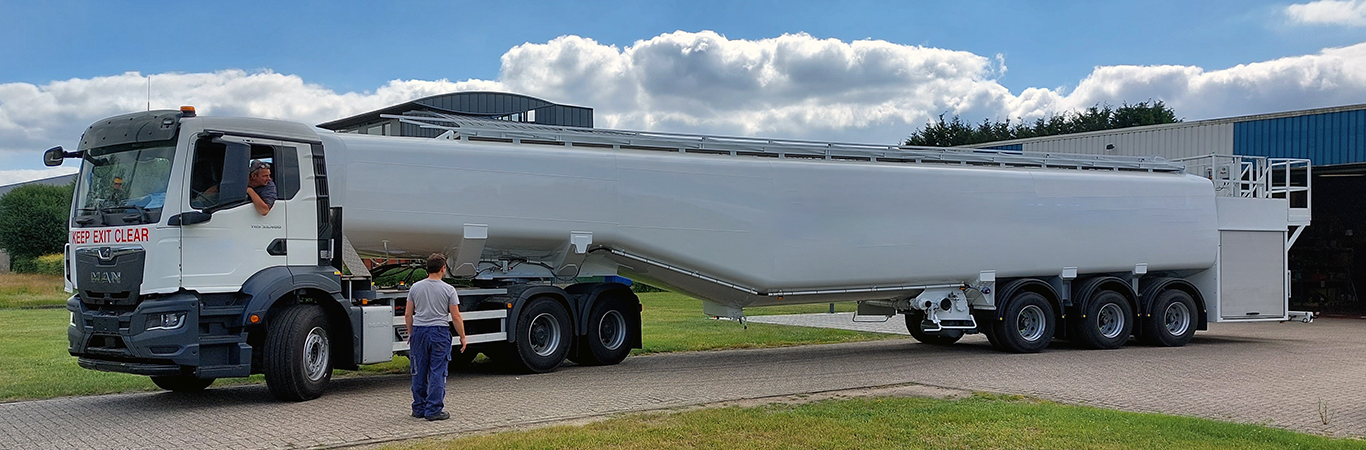
The selection process begins with a clear evaluation of your airport’s operational environment. This includes the types of aircraft you service, daily fueling volumes, peak-hour demands, and available apron infrastructure. Large international airports that handle long-haul aircraft may require high-capacity refuellers with large fuel tanks—typically 40,000 to 65,000 liters—to maximize efficiency and reduce refilling cycles.
In contrast, regional airports mainly serving narrow-body aircraft or turboprops may find smaller 10,000–20,000-liter refuellers sufficient and more cost-effective. Additionally, the airport layout influences the type of vehicle you choose. Airports with hydrant systems typically rely on hydrant dispensers instead of fuel trucks, whereas airports without hydrants depend entirely on mobile refuellers.
Understanding how vehicles will maneuver around the apron, parking areas, and service roads is essential for determining chassis size, turning radius, and allowable vehicle height. Weather conditions also matter—operating in extreme heat or cold calls for specialized components to ensure fuel stability and equipment performance.
Fuel Capacity and Tank Configuration
The fuel tank is the core of any refueller vehicle, and its capacity must align with fueling demand. Large-capacity tankers reduce downtime and minimize the frequency of returning to the fuel farm for refills, which is especially beneficial during peak flight schedules. However, larger tanks require longer turning space, higher engine power, and more stringent braking systems. Smaller tanks offer flexibility and quick maneuverability, making them ideal for busy aprons with limited space or mixed aircraft operations.
Tank construction should comply with international standards such as ADR, DOT, or regional transport regulations. Stainless steel or high-grade aluminum tanks are preferred for their corrosion resistance and durability. Internal baffling is essential to reduce fuel sloshing, enhancing vehicle stability during movement.
Pumping and Filtration Systems
No refueller vehicle is complete without advanced pumping and filtration systems designed to maintain fuel integrity. The pumping capacity—typically measured in liters per minute—should align with your service needs. Wide-body aircraft require high-flow delivery systems capable of 1,000–2,500 L/min, while smaller aircraft can be fueled using lower flow rates.
Filtration is equally critical for ensuring fuel cleanliness. Refuellers must include pre-filters, microfilters, or dirt defense filters that comply with JIG, ATA 103, or EI (Energy Institute) specifications. Differential pressure gauges, and water-content sensors are essential components for maintaining safety. The presence of automatic shutoff systems helps prevent fuel overpressure, overflows, or contamination issues during fueling.
Choosing refuellers with reliable, easy-to-maintain filtration modules reduces operational downtime and contributes to long-term fuel quality control—an essential requirement for airline audits and regulatory compliance.
Safety Features and Compliance Requirements
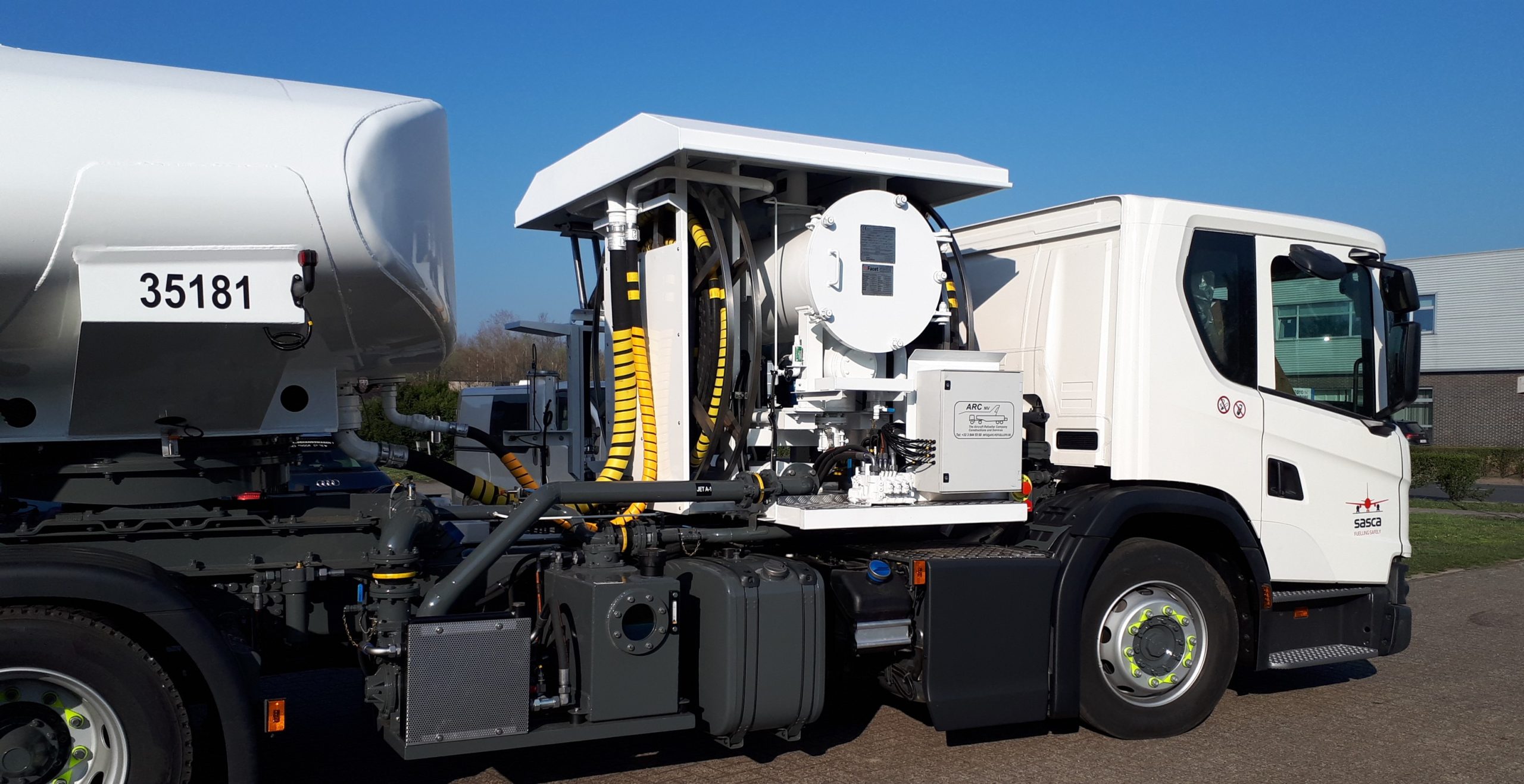
Safety is the most important factor in selecting a refueller vehicle. Aviation fuel is highly flammable, and any mistake during handling can lead to severe consequences. Therefore, ensure the vehicle complies with international safety standards and includes crucial features such as:
- Grounding and bonding systems to eliminate static electricity
- Emergency shutoff valves are accessible from multiple locations
- Anti-lock braking systems (ABS) and stability control
- Fire suppression systems around the pump compartment
- Non-sparking, explosion-proof electrical components
- Clearly marked safety signage and lighting
Additionally, airport operators should check compatibility with ICAO safety recommendations and local aviation authority regulations. Comprehensive documentation, certifications, and manufacturer safety records are essential indicators of a reliable refueller.
Chassis Selection and Vehicle Performance
Choosing the right chassis has a major impact on maintenance costs, performance, and overall reliability. Many airports prefer globally recognized truck brands—such as Mercedes-Benz, Volvo, Iveco, Isuzu, or MAN—because they offer strong after-sales service, readily available spare parts, and proven durability.
Key chassis considerations include:
- Engine power: Sufficient to transport heavy fuel loads
- Suspension system: Designed for smooth operation on aprons
- Turning radius: Critical for tight airport layouts
- Fuel type: Diesel, hybrid, or fully electric options
- Load distribution: Balanced for safety during braking and maneuvering
In recent years, airports have begun adopting electric or hybrid refuellers as part of sustainability initiatives. These vehicles reduce emissions, noise, and long-term operating costs, making them ideal for environmentally focused airports.
Sustainability and Future-Proofing
As global aviation shifts toward sustainability, future-proofing your refuelling fleet is increasingly important. Modern airports are integrating Sustainable Aviation Fuel (SAF), which may require different handling or compatibility considerations. Electric refuellers, low-emission engines, and environmentally friendly hydraulics help airports meet carbon-reduction targets.
Airports planning future expansions should also consider scalability. Choosing modular refuellers that can integrate advanced sensors, automation technology, or updated filtration systems ensures long-term adaptability.
Conclusion
Selecting the right aircraft refueller vehicle is a strategic decision that influences fuel safety, operational reliability, and long-term cost efficiency. The ideal refueller must align with airport capacity, aircraft mix, regulatory standards, safety requirements, and sustainability goals.
By evaluating factors such as tank capacity, filtration technology, chassis performance, ergonomics, maintenance support, and environmental impact, airport operators can invest in a refueller that delivers dependable performance for years to come. A carefully chosen aircraft refueller is more than just equipment—it is a vital component of an airport’s fueling infrastructure, safeguarding operational continuity and ensuring every aircraft receives clean, safe, and properly handled fuel.
 Refuellers
 Dispensers
 Military Applications
 Spare Parts
 Maintenance & Repairs
 Vehicle Refurbishment
 Vehicle Inspection
 Vehicle Life Cycle Management


Great post