


Aviation fuel quality and handling practices are among the most critical safety elements in airport operations.
A single lapse in refueling standards can lead not only to flight delays or costly mechanical issues but also to catastrophic safety risks. As global air traffic continues to grow, airport operators must maintain strict compliance with international refueling standards, ensure consistent training, and implement robust quality-control procedures.
This article provides an in-depth overview of key aviation refueling standards and outlines what every airport operator must understand to maintain safe, efficient, and compliant fuel operations.
Why Refueling Standards Matter
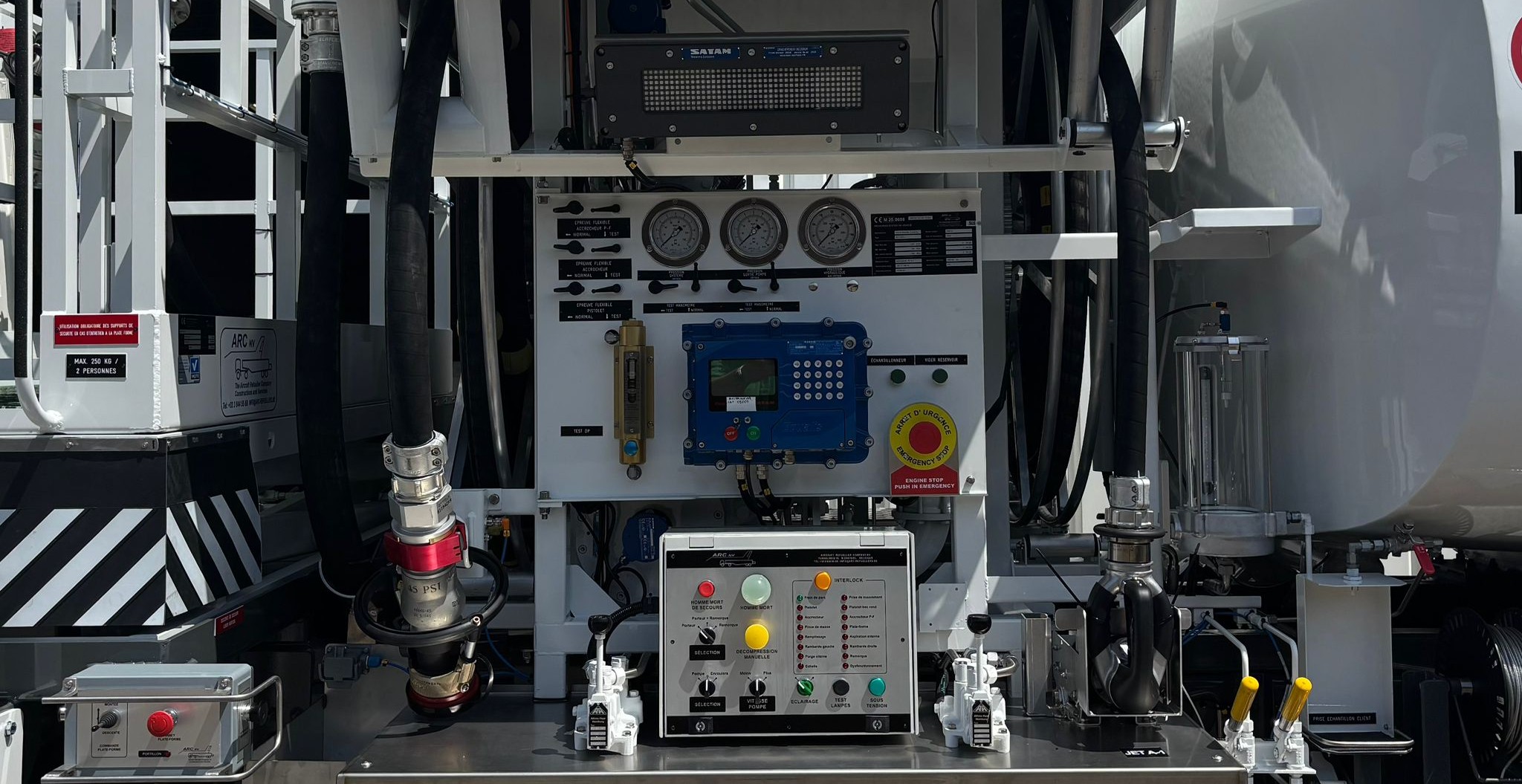
Aviation fuel is highly sensitive to contamination, temperature changes, and handling errors. Improper storage or transfer of Jet A, Jet A-1, or Avgas can introduce water, particulate, or microbial contamination—each of which can damage engines or compromise flight safety.
Industry standards exist to:
- Protect passengers and crew
- Ensure engine reliability and aircraft performance
- Maintain fuel purity from refinery to wingtip
- Minimize operational delays and financial losses
- Align processes between airlines, fuel suppliers, and airports
With modern aircraft becoming more fuel-efficient and technologically advanced, the importance of maintaining strict control over fuel quality is greater than ever.
Key International Refueling Standards

International aviation refueling operations rely on a set of well-defined standards designed to ensure fuel purity, operational safety, and global consistency across airports. Among the most influential is the Joint Inspection Group (JIG) standard, widely adopted in Europe, the Middle East, Africa, and many parts of Asia.
JIG guidelines—particularly JIG 1 for into-plane fueling and JIG 2 for storage and hydrant systems—outline strict procedures for handling, sampling, filtration, and contamination control. They also mandate regular inspections, detailed record-keeping, and competency-based training for fuel operators.
- JIG Standards (Joint Inspection Group)
- IATA Fuel Quality Pool (IFQP)
- ATA 103 (North America Standard)
- ICAO Standards and Recommended Practices (SARPs)
Another key global standard is the IATA Fuel Quality Pool (IFQP), a collaborative program developed by the International Air Transport Association. IFQP standardizes inspection criteria across global fuel facilities and provides airlines with a shared database of audited airports. This ensures transparency and consistency in refueling practices worldwide.
In North America, the primary reference is ATA 103, a comprehensive standard that governs every aspect of aviation fuel quality control—from tank construction and fuel receipt processes to filtration systems and into-plane equipment checks. Unlike some broader frameworks, ATA 103 offers highly detailed, step-by-step operational procedures, making it valuable even for airports outside the United States seeking robust, practical guidelines.
Together with ICAO Standards and Recommended Practices (SARPs), which provide overarching global requirements related to safety management, environmental controls, and competency training, these standards form a complete system that airport operators must understand. Mastering these international frameworks ensures fuel operations remain safe, compliant, and aligned with global best practices.
Refueling Equipment & Safety Compliance
Refueling equipment is the backbone of safe fuel delivery, and international standards place strong emphasis on its maintenance, inspection, and operational readiness. Airport operators must ensure that all into-plane vehicles—such as fuel bowsers, hydrant dispensers, pumps, and filtration units—are maintained according to manufacturer instructions and global aviation guidelines.
This includes frequent checks on hoses, nozzles, bonding cables, pressure control systems, and filter elements to prevent mechanical failure or contamination risks. Hydrant systems require additional oversight, including regular flushing to remove sediment, leak detection assessments, and verification of cathodic protection systems to prevent corrosion. Consistent calibration of meters and gauges helps maintain accuracy during fuel transfer, while documented maintenance cycles ensure traceability and compliance during audits.
- Filtration Systems
- Refueling Vehicles and Hydrant Systems
- Personal Safety Measures
Safety compliance extends well beyond equipment integrity and focuses heavily on protecting personnel, aircraft, and fueling zones from incidents. All refueling operations must follow strict grounding and bonding procedures to eliminate static electricity buildup, a major ignition risk when dealing with aviation fuels.
Fuel Quality Control Procedures
Fuel quality control is one of the most critical components of aviation safety, ensuring that every drop of fuel delivered to an aircraft meets strict purity and performance requirements. Airport operators must implement rigorous sampling and testing routines at every stage—receipt, storage, and into-plane delivery.
- Sampling and Testing
- Storage Tank Management
- Fuel Receipt and Transfer Procedures
Daily tasks typically include “clear and bright” visual inspections, density checks, and water-detection tests using chemical indicators or electronic sensors. More in-depth periodic tests, such as Filter Membrane Testing and microbial growth assessments, help detect issues that could compromise aircraft engines or fuel systems.
Each test must be performed using approved equipment and documented meticulously in logs that auditors and airline inspectors rely on to verify operational integrity.
Training & Competency Requirements
Aviation refueling personnel must undergo comprehensive training covering:
- Fuel quality control
- Safety and emergency procedures
- Equipment operation
- Documentation and reporting
- Environmental compliance
- Human factors and risk awareness
Refresher training is typically required every 24–36 months, depending on the standard used (JIG, IATA, ATA 103). Some airports also adopt competency-based training programs, currently encouraged by ICAO.
Environmental & Sustainability Considerations
As the aviation industry accelerates its shift toward greener operations, environmental and sustainability considerations have become essential components of modern refueling management. Airport operators must now look beyond traditional fuel-handling practices and integrate strategies that minimize ecological impact and support global carbon-reduction goals.
- Electric Vehicle Coalition Models for Sustainable Ground Operations
- How Do Electric Hydrant Dispensers Improve Airport Fuel Efficiency?
Airport operators need awareness of:
- Handling and storage requirements for Sustainable Aviation Fuel (SAF)
- Blending procedures and documentation
- Traceability requirements to verify feedstock origins
- Compatibility with existing infrastructure
Additionally, operators should manage:
- Spill prevention and control plans
- Stormwater protection for fuel farms
- Emissions reduction strategies for refueling vehicles
Conclusion
Refueling standards form the backbone of aviation safety, operational efficiency, and regulatory compliance. For airport operators, understanding and implementing these standards—JIG, IFQP, ATA 103, and ICAO SARPs—is not optional but fundamental. From equipment maintenance and quality control procedures to training and environmental responsibility, each component plays a vital role in ensuring that every aircraft departs safely with clean, reliable fuel.
- Unveiling the Crucial Process of Aircraft Defueling: Aviation Safety
- Autonomous Refuelling: Merging AI, Sustainability, and Aviation Logistics
By staying aligned with evolving regulations and adopting a culture of continuous improvement, airport operators can safeguard their operations, protect passengers and assets, and contribute to a safer global aviation ecosystem.
 Refuellers
 Dispensers
 Military Applications
 Spare Parts
 Maintenance & Repairs
 Vehicle Refurbishment
 Vehicle Inspection
 Vehicle Life Cycle Management


Much appreciated. It’s great post
I really appreciate your endeavors by posting aviation information