
Aircraft Refueller Refurbishment: What to Expect | ARC NV

Aircraft Refueller Refurbishment: What to Expect, Step by Step
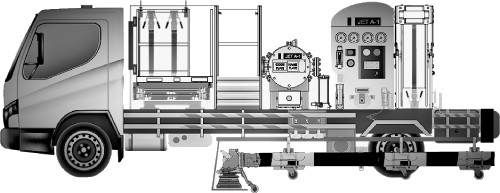
Sending an aircraft refueller for refurbishment is very different from sending a conventional truck for repair. An aircraft refueller is a major capital asset that combines a commercial chassis with an aviation fuel tank, pumping and filtration equipment, metering, pressure control, hoses and couplings, sampling systems, pneumatic and hydraulic circuits, electrical controls, interlocks, bonding equipment and emergency safety systems. On some vehicles, an elevating platform and additional aircraft-access equipment add another safety-critical layer.
After years of demanding airside operation, these systems do not necessarily age at the same rate. The chassis may become increasingly expensive to maintain while the tank remains structurally suitable for continued service. In other cases, the vehicle itself may remain sound while pumps, filtration equipment, metering, hoses, pneumatic controls or safety systems become obsolete or increasingly difficult to support.
When different parts of the asset reach different stages of their lifecycle, replacing the complete vehicle is not always the only option. This is where ARC’s vehicle refurbishment services can provide a practical alternative to continued repairs or full replacement.
A properly engineered refurbishment is far more than repainting a vehicle or replacing worn components. It can retain suitable parts of the existing asset while replacing obsolete, worn or unsuitable systems and, where appropriate, transferring the fuel-handling equipment onto a new chassis.
Depending on the scope, this may involve re-chassis engineering, selective reuse of existing equipment, structural work, complete renewal of fuel-handling systems, modernisation of safety controls, testing and recommissioning. The objective is not simply to make the vehicle look new again, but to restore dependable operation, address identified integrity and obsolescence risks, and establish a controlled basis for the vehicle’s next service period.
So what should an operator actually expect when an aircraft refueller enters the workshop for refurbishment?
Why Choose Aircraft Refueller Refurbishment Instead of Replacement?
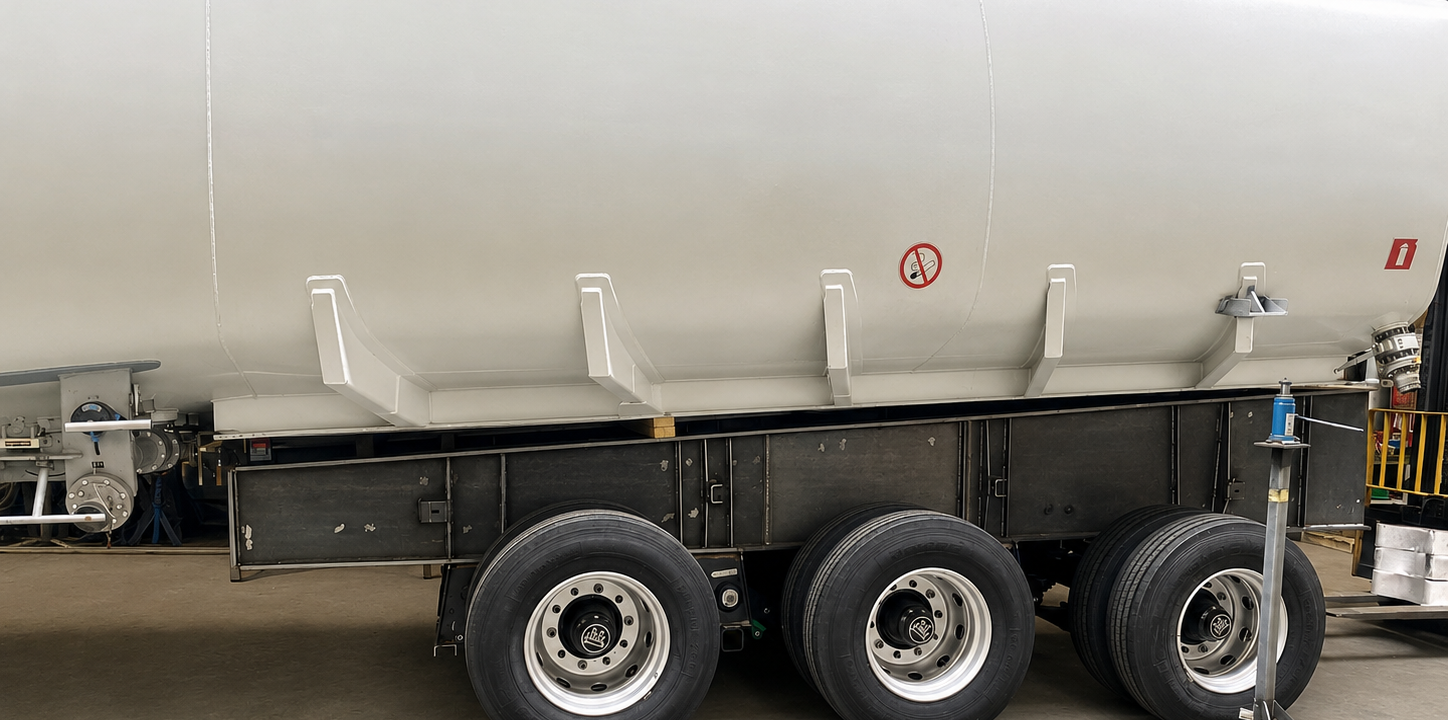
The strongest case for refurbishment usually exists when an ageing refueller still contains significant engineering value, but different parts of the vehicle have reached different stages of their lifecycle. The chassis, for example, may become increasingly costly to maintain or reach the end of its economic life while an aluminium or stainless-steel tank remains structurally suitable for further service. Similarly, major components may remain technically viable while the pump, filtration system, meter, hoses, controls, or electrical and pneumatic systems have become obsolete, unreliable, or increasingly difficult to support.
This creates a practical alternative between continuous repair and complete replacement: refurbishment or re-chassis construction. Current EI 1540 guidance specifically recognises refurbishment and re-chassis construction, including the potential reuse of major components following appropriate technical assessment.
Refurbishment therefore does not mean either keeping everything or replacing everything. The objective is to determine, through engineering assessment, what can remain in service, what should be overhauled, and what must be replaced to create a technically coherent vehicle for its next operating period.
For fleet managers considering whether to continue maintaining, refurbish or replace an asset, ARC’s Lifecycle Cost Analysis: Fuel Truck Maintenance vs Replacement provides a broader framework for evaluating the financial and operational decision.
Step 1: Aircraft Refueller Project Definition, Technical Review & Vehicle Intake
The refurbishment process should begin with the future operating requirements—not simply with a list of existing defects.
Before dismantling starts, the vehicle builder and operator should review the existing configuration together with the future operating requirements. This should establish what the refueller is expected to do after refurbishment, including vehicle type and tank capacity, existing chassis configuration, aircraft and airport operating environment, required underwing and overwing fuelling capability, design flow and pressure, hose and nozzle arrangements, platform requirements, and any applicable legal, metrology, customer or airport-specific requirements.
The review should also consider the existing pump, filtration and metering configuration, maintenance and repair history, recurring defects, known obsolescence issues, and components that have become difficult to support. Existing manuals, drawings, test certificates and service records are particularly valuable at this stage, together with any planned technology or safety upgrades and the operator’s expected remaining service life for the vehicle.
A professional vehicle inspection can support the initial technical review and help establish the visible condition of the vehicle and its major systems.
However, an important distinction must be understood: not every refurbishment decision can be made before dismantling.
Internal tank condition, hidden corrosion, mounting structures, running gear, hose-reel assemblies and other concealed components may only be fully assessed once the vehicle reaches the workshop and equipment has been dismantled.
The initial review therefore establishes the expected refurbishment scope; the strip-down later confirms what is actually suitable for continued service.
Step 2: Engineering the Scope and Quotation
Once the operating requirement and initial condition are understood, the refurbishment provider can develop the technical scope.
A good quotation should make a clear distinction between equipment that will be retained, equipment requiring inspection before a reuse decision, components scheduled for overhaul and components that will be replaced.
This is also where the project philosophy is established. Is the objective primarily to restore the existing configuration? Is the vehicle being transferred onto a new chassis? Are obsolete components being replaced with current technology? Does the customer want improvements in metering, filtration, control systems, operator ergonomics or maintainability?
Major projects can involve a combination of chassis replacement, tank modification, new pumps and filters, metering changes, complete electrical and pneumatic renewal, hydraulic work, replacement hoses, new safety interlocks, platform replacement or platform-system engineering, and repainting.
The quotation should also identify important assumptions and exclusions because some work cannot be priced definitively until dismantling exposes the actual condition of the equipment.
Reusing Equipment Requires Engineering Assessment
One of the most important aspects of refurbishment is deciding what can legitimately remain in service.
Reuse should never mean reinstalling an old component simply because it appears serviceable. A retained tank has to be considered in relation to its condition, mounting arrangement, vehicle weight distribution, centre of gravity and the characteristics of the new chassis. A filter vessel requires appropriate inspection and testing before reuse, while a bulk meter must remain within applicable calibration and legal requirements and have sufficient spare-parts support for its expected service life. Pumps, pressure-control valves and other major components also require thorough technical assessment.
Elevating platforms require particular attention. EI 1540 does not recommend the reuse of existing elevating platforms and states that modification of existing platforms should not be undertaken. As safety-critical equipment, their suitability can be affected by lifting-height requirements, vehicle layout, tilt stability, mounting and fastening arrangements. The platform solution should therefore be addressed specifically during refurbishment and re-chassis engineering.
EI 1540 specifically addresses the reuse of product tanks, filter vessels, bulk meters, elevating platforms and other equipment when refurbishing or re-chassising vehicles. The principle is straightforward: equipment should be reused because its continued service has been technically justified—not simply because replacing it would be more expensive.
Step 3: Strip-Down and Detailed Workshop Assessment
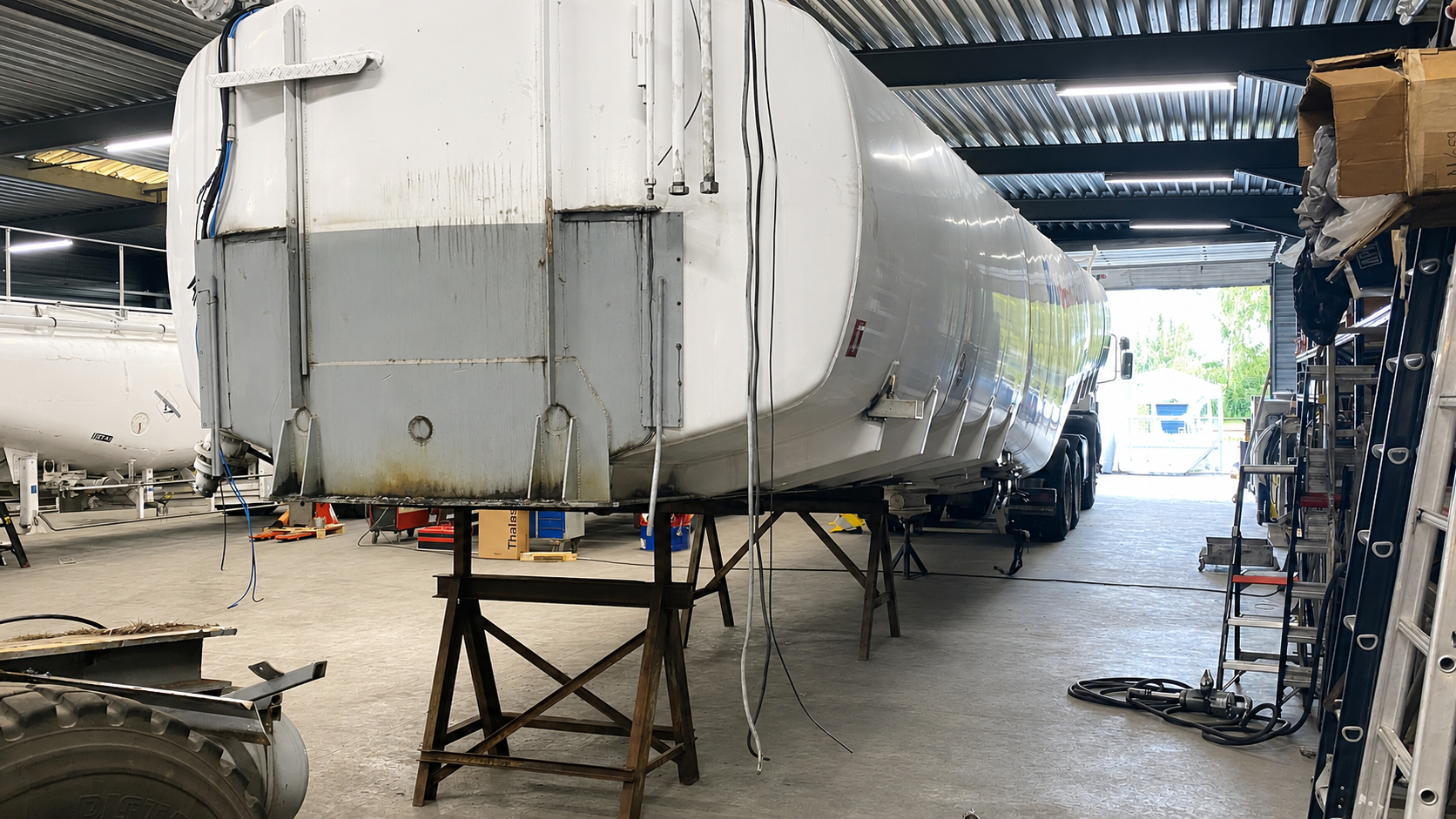
Once the project is authorised and the refueller arrives at the workshop, dismantling begins.
Removing pipework, hoses, covers, electrical systems, pneumatic lines and surrounding equipment provides access to areas that cannot be properly evaluated while the vehicle remains assembled.
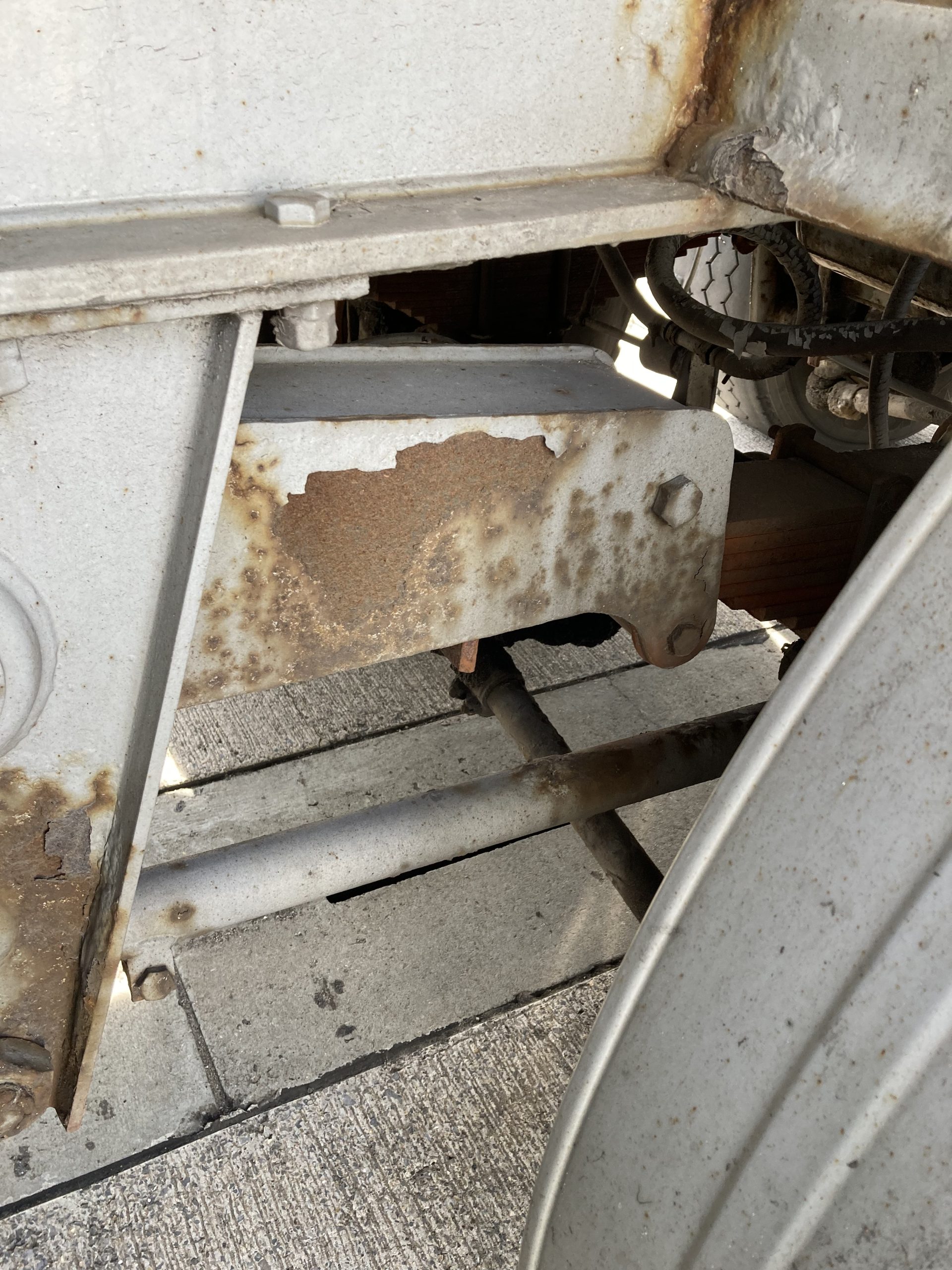
The workshop team can then inspect the tank and fittings, chassis mounting arrangements, structural supports, running gear, pipework, hose reels, swivels, platform structure, fifth-wheel or trailer coupling arrangements and any areas affected by corrosion, fatigue or previous repair.
This is often the point at which the refurbishment scope becomes fully defined.
For example, tank manholes or running gear may appear acceptable during an external inspection but reveal additional work once dismantled. A professional refurbishment process should record these findings, explain their significance and agree any work outside the agreed scope with the customer before proceeding.
That transparency is an important part of refurbishment project control.
Step 4: Aircraft Refueller Structural Refurbishment and Re-Chassis Engineering
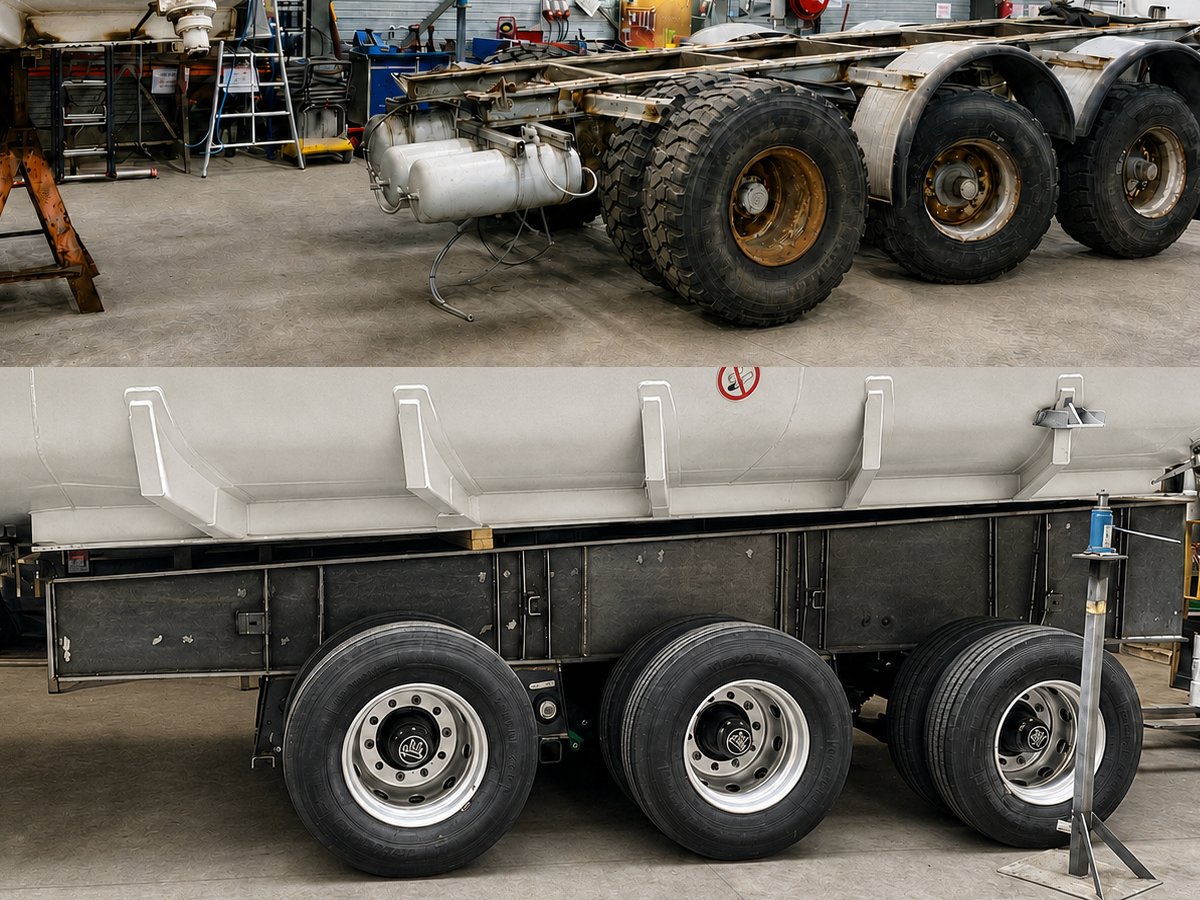
Where a new chassis forms part of the project, the existing fuel-handling equipment cannot simply be lifted from one vehicle and attached to another.
The retained tank and fuel-handling superstructure must be properly integrated with the new chassis while considering vehicle weight distribution, axle loads, centre of gravity, tank and subframe supports, chassis OEM mounting requirements, overall vehicle dimensions, turning and manoeuvring requirements, and safe access for operators and maintenance personnel.
The new chassis must also interface correctly with the vehicle’s hydraulic, pneumatic and electrical systems. PTO and hydraulic-drive integration, electrical power and control architecture, pneumatic interfaces, interlock philosophy and emergency systems may therefore require substantial redesign or adaptation.
The retained tank and supporting structure may also require repair, corrosion treatment, new fittings, revised pipework or structural modifications to suit the new chassis and equipment arrangement.
Operator ergonomics should also be considered during this stage. Controls, valves, gauges, access points and serviceable equipment should remain practical and accessible within the revised vehicle layout.
Where required, repainting, functional markings, safety pictograms, operational labels and customer identification are completed as part of this phase.
The engineering principles involved are closely related to those used in the construction of new aircraft refuellers, particularly where the replacement chassis significantly changes the original vehicle architecture.
Step 5: Fuel System, Controls and Safety Upgrades
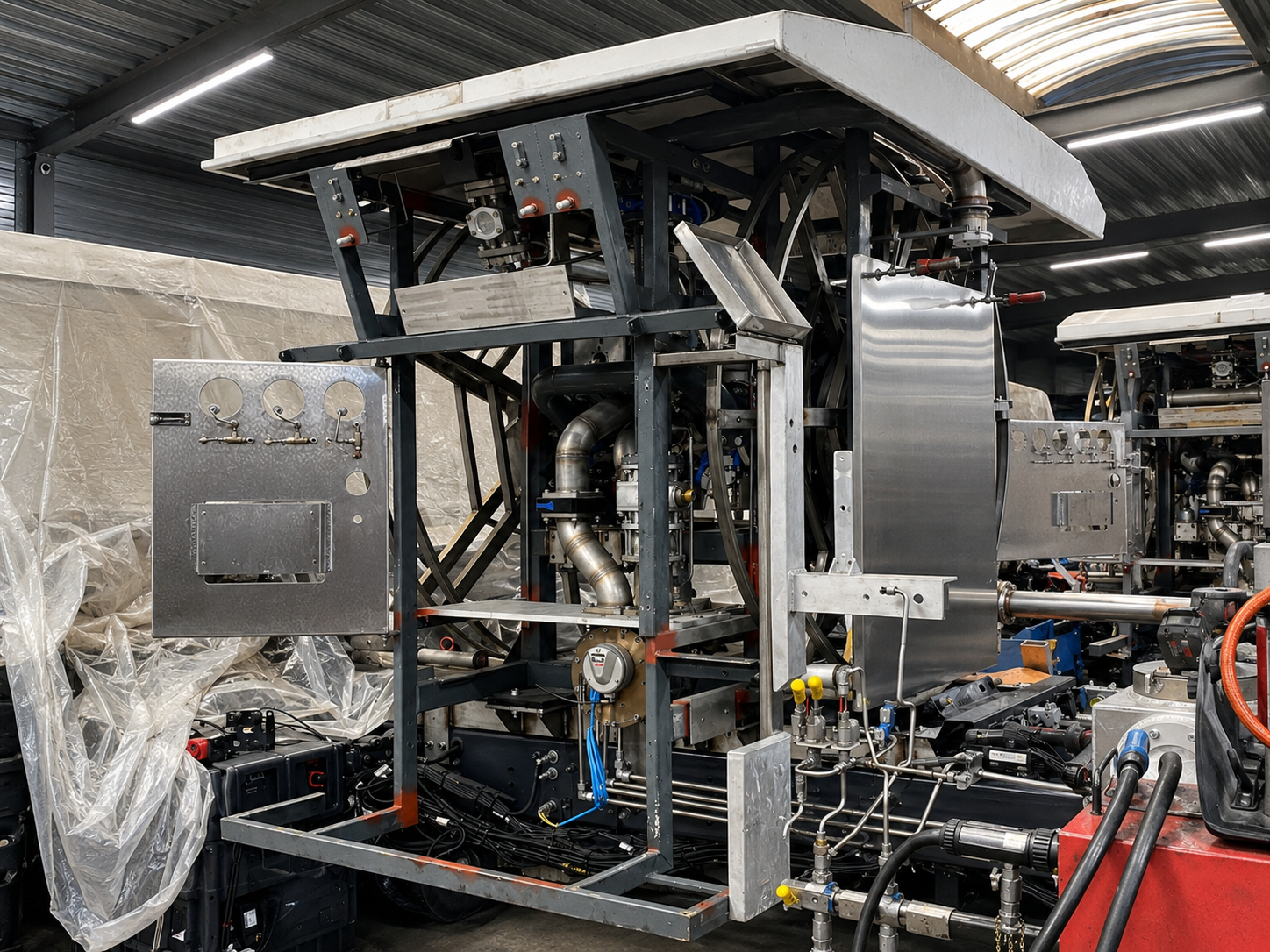
The fuel-handling module is normally where much of the technical transformation takes place during refurbishment.
Depending on the agreed scope, the pump and drive system, filter/water separator, metering equipment, pressure-control components, deadman system, product pipework, isolation valves, vent and drain arrangements, sampling system and product-recovery equipment may all be overhauled, replaced or upgraded.
Hose reels can be rebuilt, swivels renewed and aviation fuelling hoses replaced together with underwing or overwing couplings and nozzles. Bottom-loading equipment and tank overfill protection may also require renewal or modification. ARC’s spare-parts capability supports many of these systems, including pumping, filtration, metering, hoses, nozzles, valves, electrical and pneumatic components.
The vehicle’s supporting systems may receive equally extensive attention. Pneumatic and hydraulic circuits, electrical wiring and cabinets, PLC and control logic, operator control panels, driveaway interlocks, emergency-stop devices, bonding equipment, warning systems and work lighting can all form part of the refurbishment scope.
This stage also provides an important opportunity to improve maintainability and operator ergonomics. Gauges, valves, test connections, filters, meters and other serviceable components should remain accessible for inspection and maintenance, while controls and indicators should be clearly arranged and positioned for practical operation.
A technically capable vehicle that is unnecessarily difficult to inspect, operate or maintain will create avoidable problems throughout its next service life.
Step 6: Reassembly and Functional Verification
When the structural and equipment work is complete, the refueller is reassembled and checked as an integrated vehicle.
Verification is broader than confirming that each replacement component operates independently. The fuel, mechanical, pneumatic, hydraulic, electrical and control systems must function together correctly as one complete refuelling system.
Depending on the vehicle configuration, functional verification may include pump and hydraulic-drive operation, pneumatic-system pressure and leakage, hose reel winding and unwinding, valve operation, pressure-control functions, meter operation, sampling and product-recovery systems, tank overfill protection, instrumentation and warning indications, bonding continuity, platform safety devices, driveaway interlocks and emergency-stop functions.
Equipment stowage and the associated interlock functions should also be verified to confirm that safety-critical equipment is correctly detected when removed from or returned to its designated position.
The deadman control requires particular attention because it forms part of the fuel-flow safety philosophy. ARC has covered its function and testing in detail in its article on Deadman Control in Aviation Refuelling.
Any safety-critical defect identified during this phase should be rectified before the vehicle progresses to final testing, Factory Acceptance Test and operational release.
Step 7: Aircraft Refueller Testing, FAT and Commissioning
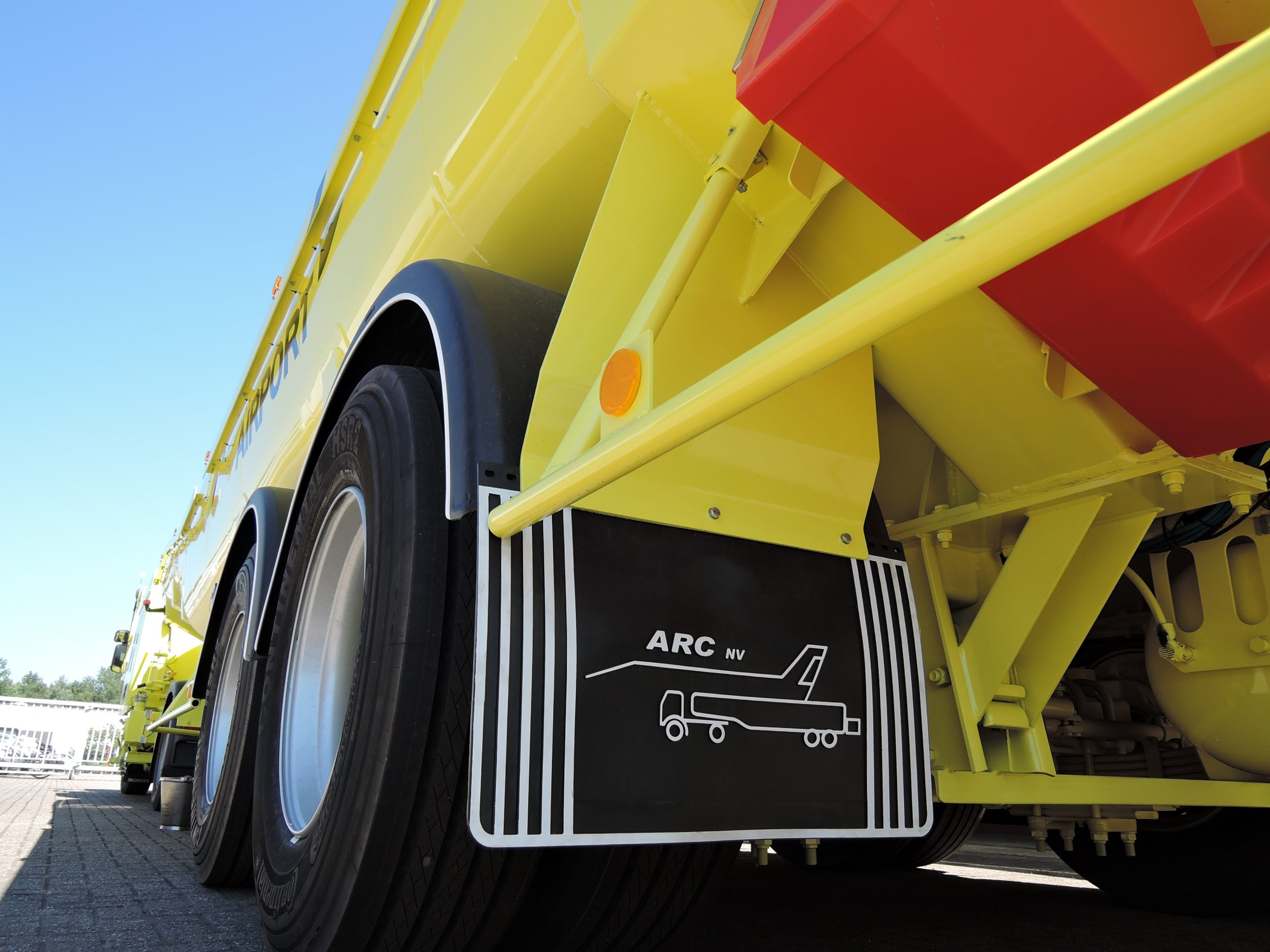
A refurbished refueller is not ready for service simply because assembly and functional verification are complete.
Before the vehicle can be released, the fuel-handling system and its critical equipment must undergo the required testing, flushing and commissioning activities. EI 1540 requires new or transferred fuelling equipment, and equipment following major repair or overhaul, to be thoroughly checked, flushed and tested before being brought into service, with the relevant results recorded.
The exact programme depends on the refurbishment scope, but may include system pressure and leak testing, hose inspection and pressure testing, pump-performance verification, pressure-control testing, meter proving or calibration, filtration-system checks and other specified performance tests.
Fuel-system cleanliness is equally important. Where the work has affected the fuel system, commissioning may include low-point flushing, fuel circulation, sampling and fuel-quality acceptance before release. Soak testing is required by EI 1540 following applicable construction or repair work to confirm that contaminants from coatings, welding, lubricants or other construction activities have not been introduced into the aviation fuel system.
Some safety and control functions verified during Step 6 may also be reconfirmed under commissioning or acceptance conditions as part of the overall test programme.
The completed vehicle can then undergo a Factory Acceptance Test (FAT) against the agreed technical specification. FAT provides a structured point at which the customer and manufacturer confirm that the refurbishment scope has been completed, the required performance and safety functions have been demonstrated, test results have been reviewed and any outstanding actions have been identified before delivery.
In ARC refurbishment projects, FAT can form a formal project milestone before workshop release, with site commissioning completed where included in the agreed scope.
Where site commissioning is included, final start-up, operational verification and any required customer-location checks can then be completed before the refueller returns to normal service. Commissioning can also include initial filling, hydraulic and pneumatic start-up, fuelling-system filling, interlock and overfill checks, hose operation, circulation, sampling and final preparation for operation before the vehicle returns to service.
Step 8: Documentation, Handover and Return to Service
A professional refurbishment should finish with more than a repaired vehicle. It should establish a documented technical baseline for the asset’s next period of operation and maintenance.
Depending on the project, the handover package may include an updated vehicle manual; fuel-system schematics; hydraulic, pneumatic and electrical drawings; spare-parts information; inspection and pressure-test results; hose and component certificates; meter calibration or proving documentation; FAT records; third-party certificates where required; maintenance instructions; and updated equipment and technical data.
ARC vehicle documentation, for example, records the refueller’s technical configuration and major systems, together with operating, maintenance, drawings, parts and manufacturer information required to support the vehicle throughout its continued service life.
Good documentation is therefore not simply project paperwork. It provides the reference point for future inspection, maintenance, troubleshooting, testing and any subsequent modification of the vehicle.
Return to service should also be treated as a controlled engineering milestone, rather than simply the day the refueller leaves the workshop. The agreed refurbishment scope should be complete, required testing and commissioning recorded, safety-critical functions verified, outstanding defects resolved or formally managed, and the applicable technical documentation available.
Only then should the vehicle be formally handed over and accepted for its intended operating duty.
How Long Does Aircraft Refueller Refurbishment Take?
There is no meaningful standard duration for an aircraft refueller refurbishment.
A targeted overhaul involving selected fuel-system components may be completed considerably faster than a full re-chassis and superstructure refurbishment. A major project involving a new chassis, tank work, structural modification and extensive renewal of fuel, electrical, pneumatic, hydraulic and safety systems should be planned as a substantial engineering project that may take several months.
The schedule will depend on factors such as replacement-chassis availability, findings identified during dismantling, long-lead equipment such as pumps or filters, third-party inspection requirements, repainting, FAT and any site commissioning included in the contract.
The most important objective should therefore not be the shortest possible workshop stay.
It should be a realistic programme that allows the agreed engineering scope to be completed, tested and documented correctly.
What Defines a Professional Refurbishment Partner?
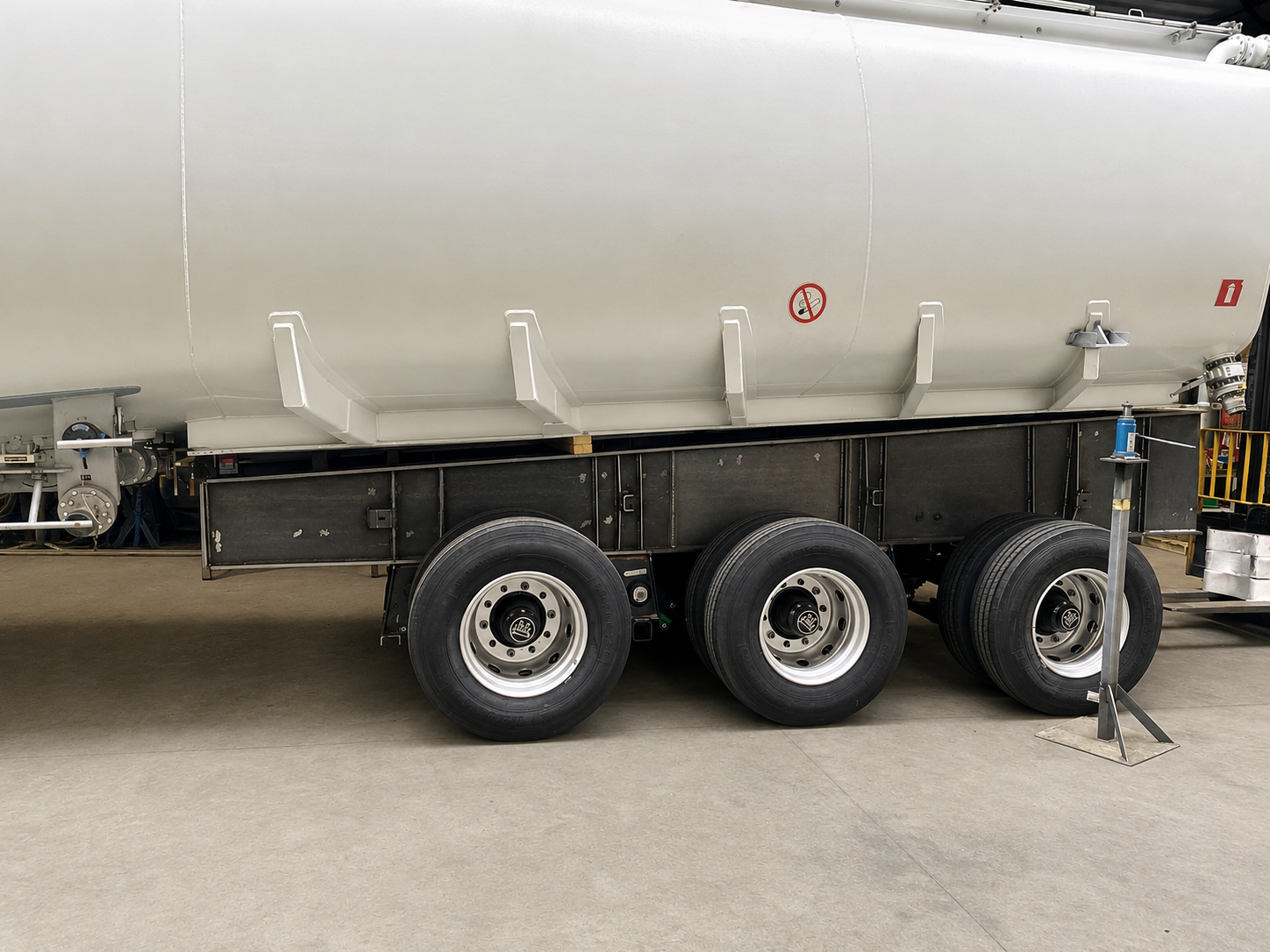
Aircraft refueller refurbishment requires expertise beyond conventional commercial-vehicle maintenance. The provider should understand how the chassis, tank, pump, filtration, metering, pressure control, hoses, hydraulic and pneumatic systems, electrical controls, interlocks and emergency functions operate together as one integrated refuelling vehicle.
That requires capability not only in mechanical refurbishment, but also in tank and chassis integration, fuel-system integrity, aviation filtration and metering, pressure-control systems, aircraft fuelling hoses and couplings, electrical and control systems, safety interlocks, testing, commissioning and technical documentation.
Equally important is transparency. The customer should understand what can be retained, what requires further inspection, what must be replaced, which findings can only be confirmed after dismantling, and what testing will be completed before the vehicle returns to service.
A professional refurbishment partner should also be able to support the asset beyond the workshop. Continued support through maintenance and repairs, spare parts, technical documentation and lifecycle services can be important in maintaining reliability throughout the vehicle’s next operating period.
Refurbishment Is More Than Extending Vehicle Life
The objective of aircraft refueller refurbishment is not simply to make an ageing refueller last a few more years.
Done correctly, refurbishment is a controlled engineering decision that preserves components with genuine remaining value, replaces systems that no longer support the required duty and modernises the vehicle where this improves safety, reliability or maintainability.
The completed vehicle should leave the process with a clearly defined configuration, tested systems, updated documentation and a technical basis for continued operation.
For some assets, replacement will still be the stronger decision. For others, carefully engineered refurbishment can preserve substantial existing value while creating a vehicle better suited to its next period of service.
Contact ARC NV
Considering whether your aircraft refueller should be maintained, refurbished, re-chassised or replaced?
ARC NV supports aviation fuel operators through vehicle inspection, engineering, vehicle refurbishment, maintenance and repairs, spare-parts support, testing and lifecycle management.
From targeted system upgrades to extensive re-chassis projects, the refurbishment scope is developed around the condition of the asset, its future operating requirements and the agreed technical specification.
Contact ARC NV to discuss your aircraft refueller refurbishment requirements.
Email: question@arc-refuellers.be
Telephone: +32 3 844 55 68

 Repostadores
 Dispensadoras
 Aplicaciones Militares
 Repuestos
 Mantenimiento y reparaciones
 Restauración de vehículos
 Inspecciones
 Gestión del ciclo de vida del vehículo

