

Fuel Metering & Monitoring Systems: The Future of Aircraft Refueling

The aviation industry is undergoing a rapid transformation driven by digitalization, efficiency demands, and stricter safety and environmental regulations. At the heart of this transformation lies one critical area: aircraft refueling. Modern airports and fuel service providers are increasingly adopting fuel metering and monitoring systems to improve accuracy, safety, transparency, and operational efficiency.
These advanced systems are redefining how aircraft are fueled, making them a cornerstone of the future of aircraft refueling. This article examines how Fuel Metering & Monitoring Systems operate, their key benefits, engineering advancements, and why they are becoming increasingly indispensable in modern aviation operations.
Understanding Fuel Metering & Monitoring Systems
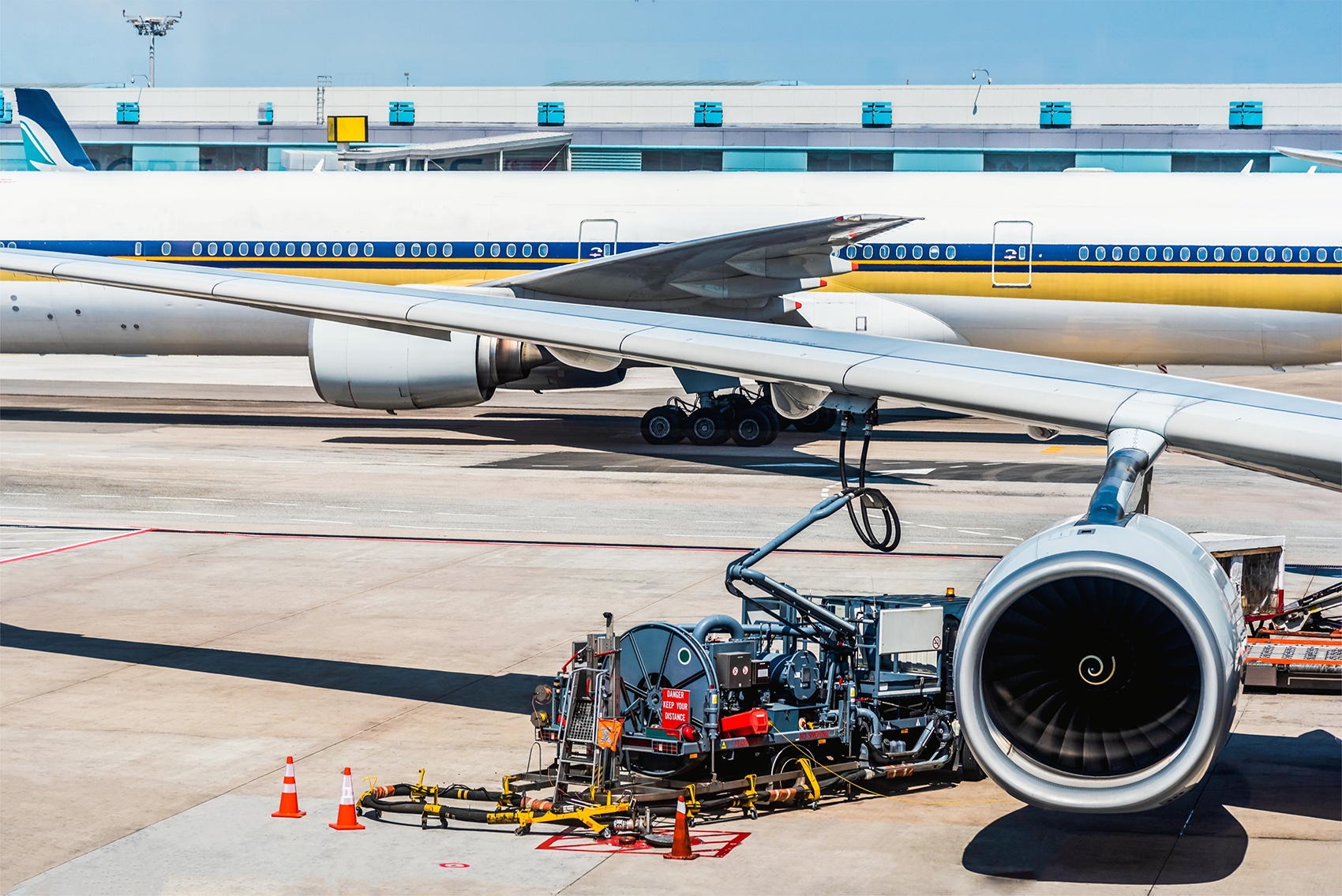
Fuel Metering & Monitoring Systems are integrated technologies designed to measure, control, record, and monitor the quantity of fuel delivered and, where integrated with suitable sensors or procedures, support fuel quality control and traceability. Unlike traditional mechanical meters, modern systems rely on digital sensors, flow meters, control units, and software platforms to provide real-time data and precise fuel delivery.
These systems are commonly installed on aircraft refuellers, hydrant dispensers, and fuel farms. They ensure that the exact amount of fuel requested by the airline is delivered, recorded, and verified—eliminating discrepancies and enhancing accountability.
In practice, a fuel metering and monitoring system should not be viewed as a standalone digital device. It is part of the complete refueling architecture, including the pump, filtration system, meter, meter valves, pressure control equipment, deadman system, control station, hoses, nozzles, bonding, and safety interlocks. For this reason, accuracy depends not only on the meter itself, but also on correct installation, calibration, maintenance, and operational discipline.
As aviation operations become more data-driven, Fuel Metering & Monitoring Systems are evolving from simple measurement tools into intelligent decision-support systems.
The Importance of Accuracy in Aircraft Refueling
Accuracy is one of the most critical requirements in aircraft refueling. Even small errors in fuel quantity can lead to serious operational and financial consequences. Overfueling increases aircraft weight and fuel burn, while underfueling can cause delays, diversions, or safety risks.
Fuel Metering & Monitoring Systems address this challenge by using high-precision flow meters and automated control valves. These components work together to support accurate, repeatable fuel delivery, provided the system is properly designed, calibrated, verified, and maintained. Digital calibration and self-diagnostic features further ensure consistent performance over time.
By improving accuracy, Fuel Metering & Monitoring Systems help airlines optimize fuel planning, reduce wastage, and maintain strict compliance with aviation standards.
Enhancing Safety Through Advanced Monitoring
Safety is a top priority in any fueling operation, given the flammable nature of aviation fuel. Fuel Metering & Monitoring Systems significantly enhance safety by providing continuous monitoring of fuel flow, pressure, and temperature during refueling.
Modern systems are equipped with automatic shutoff mechanisms that activate if abnormal conditions are detected, such as excessive flow rates or pressure spikes. Integrated alarms and alerts notify operators instantly, reducing the risk of spills, leaks, or equipment failure.
Additionally, real-time monitoring allows ground crews to maintain full visibility throughout the fueling process. This level of control minimizes human error and ensures a safer working environment at busy airport aprons.
Digital Data & Real-Time Visibility
One of the most transformative aspects of Fuel Metering & Monitoring Systems is their ability to collect and transmit real-time data. Every refueling operation generates valuable information, including fuel quantity, fueling duration, flow rate, and system status.
This data can be transmitted wirelessly to airport management systems, airline databases, or cloud-based platforms. Real-time visibility enables stakeholders to track fuel usage, verify transactions, and analyze operational trends.
For airlines, this means greater transparency and easier reconciliation of fuel invoices. For fuel service providers, it means improved operational control and the ability to quickly identify inefficiencies or anomalies.
Integration With Airport and Airline Systems
Fuel Metering & Monitoring Systems are increasingly designed to integrate seamlessly with other digital platforms used in aviation. These include flight management systems, airport resource management tools, and enterprise resource planning software.
Integration enables automated data exchange, reducing manual paperwork and administrative workload. For example, once fueling is completed, the system can automatically generate digital fueling tickets, update inventory records, and transmit billing information.
This level of integration supports faster aircraft turnaround times, which is critical in today’s high-traffic airports. It also improves coordination between ground handlers, airlines, and fuel suppliers.
Supporting Regulatory Compliance and Auditing
The aviation industry is heavily regulated, and fuel operations must comply with strict international standards. Fuel Metering & Monitoring Systems play a vital role in meeting these requirements by providing accurate, secure, traceable digital records of every fueling event.
Digital logs and secure data storage make audits easier and more reliable. Authorities and airline quality teams can review fueling data to ensure compliance with safety, quality, and environmental regulations.
In regulated markets, fuel measuring systems may fall under legal metrology requirements, and operators should verify applicable national and EU requirements before installation, calibration, or commercial use to improve accountability and reduce disputes related to fuel quantity and quality.
Improving Efficiency and Reducing Costs
Fuel is one of the highest operating costs for airlines, making efficiency a top priority. Fuel Metering & Monitoring Systems contribute directly to cost reduction by minimizing losses, preventing overfueling, and optimizing fuel delivery times.
Automated systems reduce dependency on manual processes, lowering labor costs and human error. Predictive maintenance features also help identify potential equipment issues before they lead to downtime or costly repairs.
Over time, the operational savings generated by Fuel Metering & Monitoring Systems often outweigh the initial investment, making them a smart long-term solution for aviation fuel operations.
Environmental Benefits and Sustainability
Sustainability is becoming a central focus in aviation, and Fuel Metering & Monitoring Systems support environmental goals in several ways. Accurate fuel measurement reduces unnecessary fuel burn, which directly lowers carbon emissions.
Advanced monitoring also helps detect leaks or inefficiencies that could lead to fuel spills, protecting both the environment and airport infrastructure. Additionally, data collected from these systems can support sustainability reporting and fuel optimization initiatives.
As alternative fuels and sustainable aviation fuels become more common, Fuel Metering & Monitoring Systems will play a key role in managing different fuel types safely and accurately.
The Future of Aircraft Refueling Technology
The future of aircraft refueling lies in smarter, more connected systems. Fuel Metering & Monitoring Systems are expected to incorporate artificial intelligence, advanced analytics, and predictive algorithms to further enhance performance.
Future developments may include fully automated refueling processes, remote monitoring centers, and deeper integration with airport digital ecosystems. These innovations will enable faster, safer, and more efficient fueling operations across the globe.
As airports grow larger and flight volumes increase, the demand for reliable Fuel Metering & Monitoring Systems will continue to rise.
Conclusion
Fuel Metering & Monitoring Systems are transforming aircraft refueling by supporting improved accuracy, safety, efficiency, and transparency. They address critical challenges in modern aviation fuel operations while supporting regulatory compliance and sustainability goals.
As technology continues to evolve, these systems will become even more intelligent and interconnected, shaping the future of aircraft refueling. For airlines, airports, and fuel service providers, advanced fuel metering and monitoring should be viewed as part of the wider refueling asset integrity program — covering equipment design, calibration, inspection, maintenance, digital traceability, and operational control.
Contact ARC NV
Looking to improve the accuracy, reliability, or traceability of your aircraft refuelling equipment?
ARC NV supports aviation fuel operators with aircraft refuellers, hydrant dispensers, inspections, meter calibration, maintenance, refurbishment, spare parts, and lifecycle support.
Contact us to discuss how we can support your refuelling operation.
Email: question@arc-refuellers.be
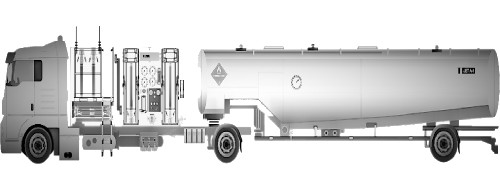 Repostadores
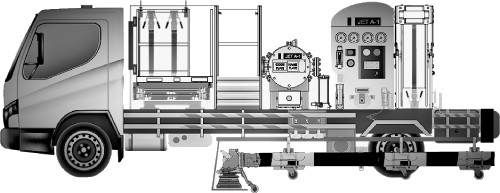 Dispensadoras
 Aplicaciones Militares
 Repuestos
 Mantenimiento y reparaciones
 Restauración de vehículos
 Inspecciones
 Gestión del ciclo de vida del vehículo

