
Fuelling Hose Replacement: What About the Pressure Control?

Fuelling hose replacement is not complete simply because the new assembly fits, has the correct pressure rating, and shows no leakage. On aircraft refuellers and hydrant dispensers using venturi-compensated pressure control, changing the delivery hose’s length or internal diameter requires the compensation settings to be matched to the revised configuration. The required pressure-control retest must also be completed before the equipment returns to service.
Replacing the hose is only part of the maintenance task. The delivery system must also be correctly configured and its performance verified before the equipment returns to service.
The Quiz Answer: Re-adjust the Venturi Settings
In our Aviation Fuel Q&A series, ARC NV asked:
During maintenance, a delivery hose is replaced with one with a different length or internal diameter on a venturi-controlled fuelling system.
What pressure-control action is required?
A. None, if the hose has the same pressure rating
B. Re-adjust the venturi settings
C. Adjust only the deadman timer
The correct answer is B — Re-adjust the venturi settings.
The replacement changes the delivery arrangement for which the compensation was established. The previous settings must not be assumed to remain appropriate merely because the replacement hose carries the same pressure rating. Hose length, bore, and hose-end strainer mesh size are examples of changes that require the relevant settings to be reconsidered and readjusted for the altered system.
Where an adjustable venturi is fitted, its compensation must be set for the revised hose configuration and validated by testing. A fixed (non-adjustable) venturi must also be assessed for the revised configuration, with the test results and applicable acceptance criteria determining whether replacement is required.
The quiz answer addresses the pressure-control adjustment required by the hose change. Venturi adjustment alone does not complete the maintenance task: the required hose checks and full pressure-control retest must also be completed before the equipment returns to service.
Why Hose Dimensions Matter to Pressure Control
The delivery hose forms part of the flow path between the fuelling equipment and the aircraft connection. The hose reel, hose, fittings and nozzle contribute to pressure losses along that path. Venturi compensation accounts for the losses associated with the downstream equipment for which it has been configured.
Changing the hose length or internal diameter can change the relationship between the pressure sensed by the controller and the pressure at the downstream reference point. A replacement may be correctly manufactured and mechanically sound, yet the existing compensation may no longer represent the revised arrangement correctly.
This is why matching the pressure rating is not enough.
The pressure rating concerns the hose’s suitability for its specified pressure duty. It does not establish that two assemblies with different dimensions have equivalent pressure-loss characteristics. Accordingly, the same pressure rating cannot demonstrate that the previous venturi settings remain suitable after a dimensional change.
For fuelling hose replacement, the assembly’s mechanical suitability and the delivery system’s pressure-control performance must both be established.
How Venturi Pressure Control Works
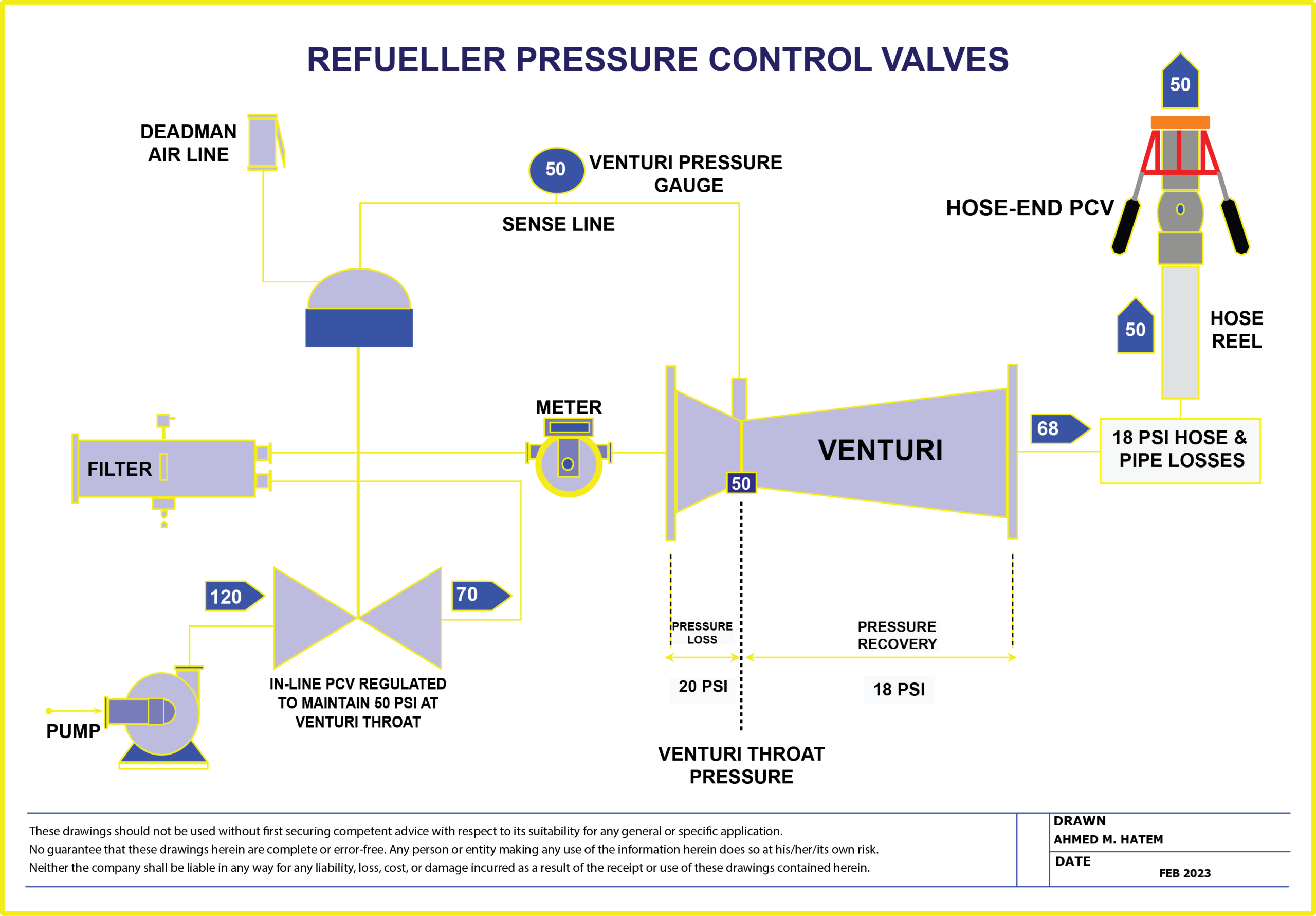
Illustrative pressures only—not operating setpoints or test acceptance limits.
A venturi creates a narrowed flow passage. Fuel accelerates through this section, known as the throat, and its static pressure decreases. The passage then expands, allowing the fuel to slow and much of the static pressure to recover.
The pressure reduction at the throat is therefore not the same as the permanent pressure loss through the venturi. The throat provides a low-pressure sensing point, while the expanding outlet helps recover pressure downstream.
In the compensated arrangement discussed here, a fuel-sense line connects the venturi signal to the regulating device. This may be an in-line pressure-control valve (ILPCV) on a refueller or a pressure-control device incorporated into a hydrant inlet coupler. The sensing arrangement is selected and configured to represent the prescribed downstream pressure condition for the hose arrangement in use.
An adjustable venturi allows that compensation to be changed through its designed adjustment mechanism. The method and available adjustment range depend on the component. An adjustable-bypass design, for example, changes the compensation through its bypass arrangement; it does not establish a universal adjustment method for every vehicle.
The objective is to match the pressure signal to the delivery configuration—not simply to increase pressure or obtain a higher flow rate.
What the Venturi Pressure Gauge Actually Shows
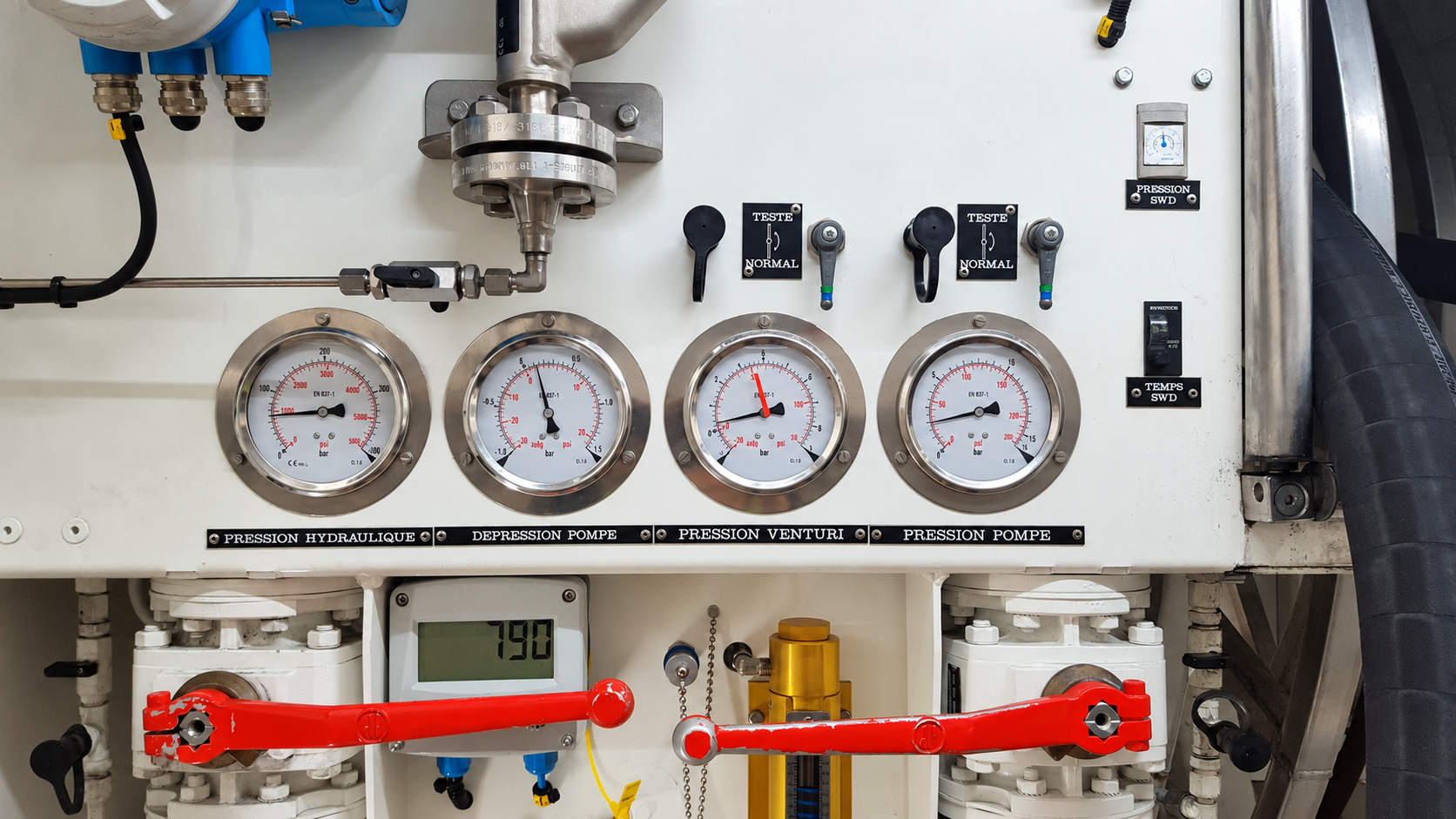
A panel gauge connected to a compensating venturi displays a simulated downstream pressure, rather than a measurement taken directly at the aircraft connection. Its usefulness depends on both the instrument’s accuracy and the validity of the compensation.
These are separate checks. A gauge can accurately display the pressure in its sense line while the venturi no longer correctly represents the downstream pressure after a hose change.
Validation therefore compares the venturi indication with a calibrated measurement at the prescribed downstream test point. The comparison covers the required flowing conditions and includes the specified zero-flow check. Agreement at a single operating point does not establish acceptable compensation across the control range.
A familiar reading on the control panel is not, by itself, evidence that a newly installed hose configuration has been correctly validated.
Why the Deadman Timer Is Not the Answer
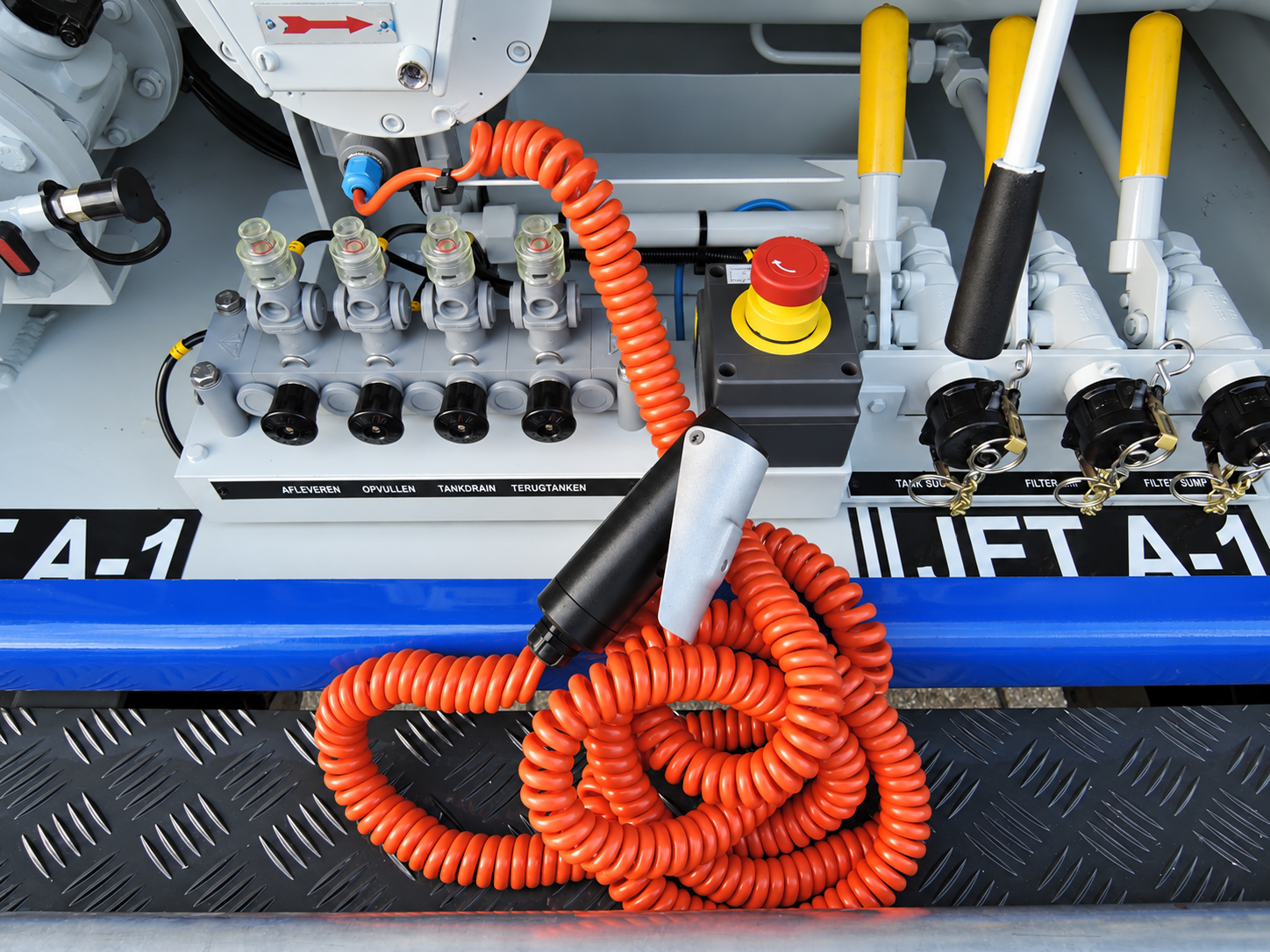
The deadman and pressure-control systems may share components, but they serve different functions.
The deadman enables the operator to initiate and stop fuel flow, while its intermittent-action feature requires periodic operator input. Venturi compensation concerns the pressure signal used to regulate delivery.
Adjusting the timer does not compensate for a different hose length or internal diameter.
This makes option C incorrect.
Deadman performance nevertheless remains part of the complete testing programme. Verification addresses controlled opening, shutdown and fuel overrun—not merely whether the intermittent timer operates.
A Hose Pressure Test Is Not a Pressure-Control Performance Test
These tests answer different questions.
A hydrostatic hose test checks the integrity of the hose assembly under the prescribed test conditions. Pressure-control performance testing establishes how the delivery system regulates fuel pressure across the required operating conditions. A satisfactory result in one does not replace the other.
A hose that holds pressure without leaking has not, on that basis alone, demonstrated that the vehicle controls delivery pressure correctly. Equally, an acceptable observation during ordinary fuel delivery does not prove that every fitted pressure-control device is functioning correctly.
Where primary and secondary devices are installed, one operating device can conceal a problem with the other. The approved test arrangement must therefore establish the performance of each device independently.
This distinction prevents a mechanically successful hose replacement from being mistaken for a completed system verification.
Readjustment and Retesting Are Different Requirements
The maintenance scope must distinguish a dimensional change from a like-for-like replacement.
When the hose length or internal diameter changes, establish the relevant venturi settings for the altered configuration and validate the compensation.
When a hose is replaced like for like, an otherwise correct setting should not be changed without a technical reason. However, the replacement still requires the complete applicable pressure-control retest. The retest requirement is not restricted to hoses with different dimensions.
When a hose is shortened, the remaining assembly must be satisfactory, and the work must be permitted under the applicable repair arrangements. Refitting re-attachable end fittings requires task-specific training and competence, with certification from the hose manufacturer or its authorised distributor. The hose must undergo the prescribed testing, and the venturi must be readjusted where necessary. The full pressure-control retest also applies.
A setting may remain acceptable after a like-for-like replacement, but that conclusion does not remove the obligation to demonstrate system performance.
Fuelling Hose Replacement: From Assessment to Return to Service
A controlled maintenance process connects hose selection, commissioning, compensation validation, functional testing, and release. The detailed adjustment and test sequence must remain specific to the equipment and the approved operating procedure.
Confirm the Approved Configuration
Confirm the existing assembly and the proposed replacement before installation.
The specification should identify the hose’s length, internal diameter, construction, pressure duty, electrical characteristics, and intended application. The end fittings must be compatible with the hose, and the complete assembly must be suitable for aviation-fuelling service. Matching the connection size alone does not establish suitability.
Where the proposed work modifies pressure-control equipment or the system design, obtain the relevant original equipment manufacturer’s approval and complete the required Management of Change (MoC) review. Interfaces with other vehicle functions, including the deadman and associated electrical controls, belong within that assessment.
A substitute should not be accepted on the assumption that any difference can be corrected later through adjustment.
Commission and Test the Hose Assembly
A new hose requires the applicable soaking, flushing, inspection and pressure-testing activities before operational use. The prescribed fuel-quality acceptance checks must also be completed. Fuel used for soaking must follow the required non-aviation downgrade or disposal arrangements rather than being delivered to an aircraft.
The hydrostatic test must match the assembly and the work performed. Commissioning a hose with factory-fitted couplings and attaching or reattaching couplings are separately identified test circumstances. The applicable procedure determines the required test conditions.
The test arrangement must also protect vehicle components and nozzle internals not intended to receive hose test pressure. Appropriate isolation or removal must follow the approved procedure.
A successful hose test establishes the assembly’s integrity under those conditions. It does not replace pressure-control flow testing.
Validate the Compensation for the Installed Hoses
The venturi must be checked using the hose arrangement for which its compensation is intended.
Where one venturi serves two platform hoses operating together, the validation must represent that configuration. A result obtained through an unrelated single-hose arrangement cannot simply be extended to the paired-hose arrangement. Where several venturis serve different delivery paths, each must be checked as required.
On air-referenced controllers, distinguish the air-reference setting from the venturi compensation setting. Where the valve incorporates a bias spring, the normal air-reference value is not simply the desired fuel-delivery pressure. The relationship is equipment-specific and must not be copied from another vehicle.
Use the approved adjustment method and compare the resulting indication with the downstream test measurement. A fixed venturi cannot be treated as though it has an adjustment facility. Assess any mismatch against the applicable acceptance criteria, including manufacturer advice, and replace where required.
Demonstrate Pressure-Control and Deadman Performance
The post-maintenance programme must demonstrate the performance of the installed pressure-control devices and deadman system under the required test conditions.
Test primary and secondary devices independently so that one functioning device cannot mask the failure or incorrect setting of another. The prescribed testing addresses pressure during flow, shut-off behaviour and pressure creep—the pressure rise after shut-off that may indicate internal leakage.
Surge testing applies to the device designated to provide surge protection. It is not an instruction to apply the same rapid-closure test to every valve indiscriminately. Deadman testing establishes the required opening, closing, and overrun performance.
Use a suitable test rig or approved vehicle test/circulation arrangement—not an aircraft as the test load. Supply pressure, available flow, and the return arrangement must permit a valid test. Insufficient supply pressure or excessive return-line backpressure can prevent the required conditions from being achieved.
Hoses should be fully unreeled for pressure-control testing. Testing requires trained, competent personnel and suitable, serviceable instruments with current calibration or accuracy-verification records, as applicable. The test results and any adjustments must be recorded. Any improvement in achievable flow must remain within the equipment’s permitted limits, including the filter and meter.
The routine quarterly test schedule does not justify postponing a required post-replacement retest. Equipment that cannot satisfy the applicable test requirements must remain out of operational service until the problem is corrected.
Restore, Record and Authorise Return to Service
Passing the individual tests is not the final release step. The equipment must be restored from its test configuration to its approved operating configuration.
Remove temporary block-out devices, reinstate the normal protective functions and confirm the approved final reference-pressure settings. Restore the manufacturer-specified vent and breather arrangements, re-enable electronic controls where applicable and secure adjustable settings against unauthorised alteration. Restore any thermal-relief routes temporarily closed for testing.
Complete the prescribed end-of-test checks, including the filter differential-pressure record and fuel appearance check, before depressurising, disconnecting and correctly stowing the equipment.
The fuelling hose replacement record should identify the assembly installed, work performed, configuration tested, relevant adjustments and results. Hose history, maintenance records and test documentation should provide a consistent account of what has been accepted.
This system-level approach is central to aircraft refuelling equipment maintenance and support: the task ends with the equipment’s required functions correctly configured and verified, not merely with a replacement component fitted.
When Adjustment Is Not Enough
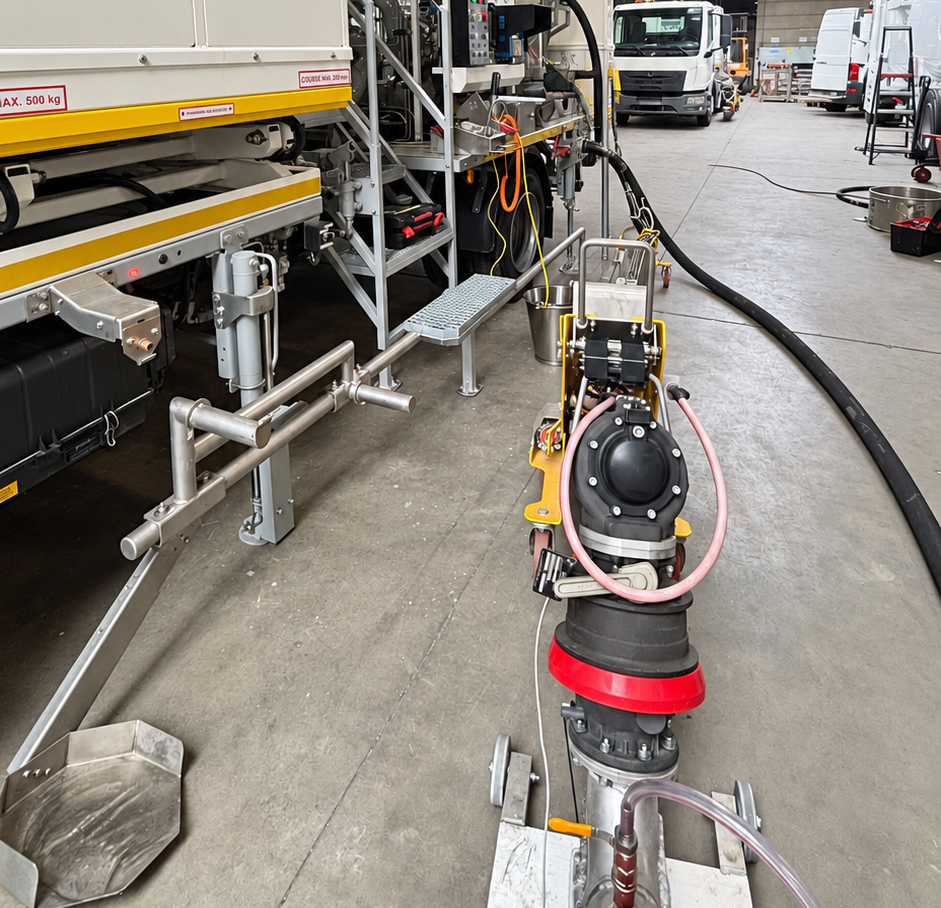
Blocked sense lines or sense-line valves, loose components, an altered delivery arrangement or a defective control device can affect the result. A pressure decrease during the creep test invalidates the result. Investigate and correct the cause, including possible leakage in the test arrangement, then repeat the test before accepting its outcome.
Repeated venturi readjustment also deserves engineering attention. Venturi set-up is not normally a recurring adjustment exercise. Separate validation is required at commissioning, after relevant downstream changes, and when the associated pressure-control performance cannot be achieved. A venturi that requires continual adjustment needs maintenance or replacement.
Where the installed component cannot provide the required compensation, increasing the pressure setting is not a substitute for selecting suitable equipment and validating the system.
Electronic pressure-control systems also require configuration-specific assessment. They may use different sensing and control arrangements, so mechanical venturi adjustment instructions must not be assumed to apply to a transducer-based system.
The Technical Framework for European Operators
For European operators, fuelling hose replacement sits within the wider technical framework for aircraft fuelling equipment, including JIG 1, EI 1540 and applicable European equipment standards such as EN 12312-5. These must be considered alongside the manufacturer’s instructions, the location’s adopted operating standard, and applicable national, regional, and airport requirements.
ARC’s overview of aviation refuelling standards provides additional context for the relationship between equipment design, maintenance, and operational control.
Conclusion: Replace the Hose, Verify the System
The quiz answer is B — Re-adjust the venturi settings.
When the delivery hose changes in length or internal diameter, the compensation must be established for the revised arrangement. Neither an unchanged pressure rating nor an adjustment to the deadman timer addresses that requirement.
The wider maintenance obligation remains equally important: hose replacement or shortening requires the complete applicable pressure-control retest, including like-for-like replacement where no alteration to an existing setting is needed.
Fuelling hose replacement is complete when the assembly has been accepted, the compensation has been validated, the required functional tests have passed, and the normal operating configuration has been restored.
The hose is replaced as a component. The equipment returns to service as a verified system.
Contact ARC NV
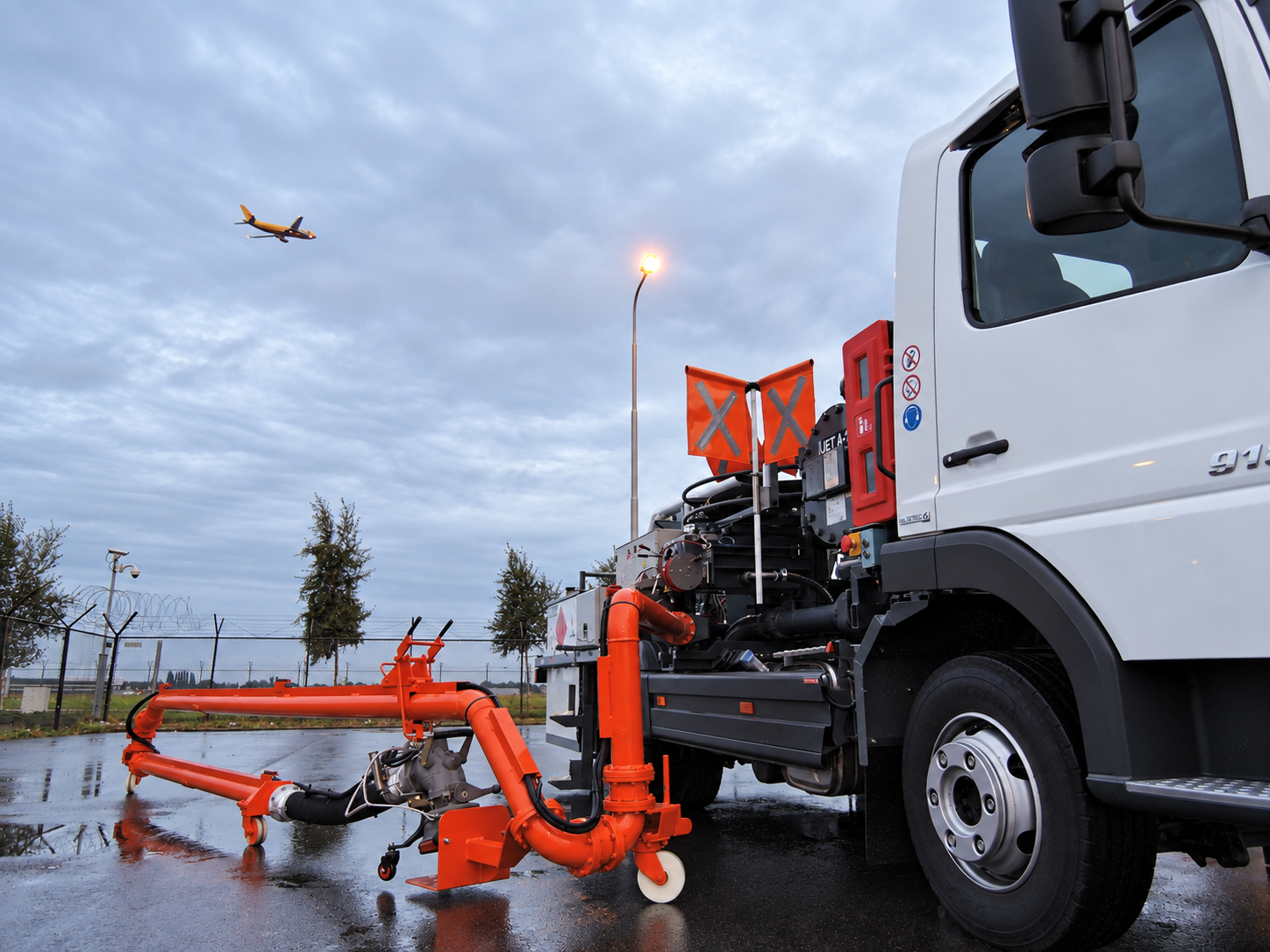
Planning a fuelling hose replacement, considering a different delivery configuration or investigating pressure-control performance?
Contact ARC NV to discuss your aircraft refueller or hydrant dispenser. Details of the vehicle, existing and proposed hose dimensions, fitted pressure-control components, and available test records provide a useful starting point for the technical assessment.
Email: question@arc-refuellers.be
This article explains maintenance principles. Before work begins, confirm the applicable requirements and amendments, equipment-specific limits, and approved procedures. Adjustment, testing, and return to service must follow the manufacturer’s instructions and the location’s approved maintenance and testing procedures.

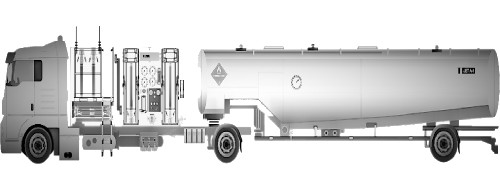 Ravitailleurs
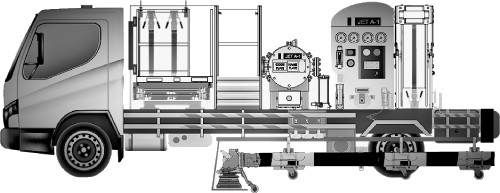 Distributeurs
 Applications Militaires
 Pièces de rechange
 Entretien et réparations
 Remise à neuf de véhicules
 Contrôles
 Gestion du cycle de vie des véhicules

