

Aircraft fuel contamination during ground operations requires more than a check for visible dirt. Water, particulate matter, microbial contamination, and unwanted chemicals present different problems—and require different controls. A visual inspection addresses only part of that picture.
For aviation-fuel operators, the practical challenge is maintaining fuel quality through receipt, storage, transfer, and delivery to aircraft. Filtration, sampling, equipment condition, and documented release decisions must work together; none should be treated as a substitute for the others.
The objective is not simply to obtain a satisfactory sample. It is to determine whether the fuel and the equipment handling it remain suitable for the intended operation.
1. Understand the Different Forms of Fuel Contamination
Water: Distinguish Dissolved Water from Free Water
Jet fuel can contain dissolved water that is not visible as droplets or a separate layer. Its capacity to retain dissolved water changes with temperature; cooling can cause water to separate from solution. Free water may then appear as suspended droplets, haze, or an accumulation at low points.
This distinction matters when interpreting a sample. The absence of visible water does not mean there is no water. Likewise, assess any water found during routine sump draining in accordance with the applicable procedure. Draining is intended to remove accumulated water before equipment is released for use. Investigate unusual water quantities, unexplained recurring water contamination, or findings outside the applicable procedure’s limits rather than simply continuing to drain until the sample looks satisfactory.
Particulate Matter: Consider the Equipment as Well as the Environment
Solid contamination can originate from external ingress or from the system itself. Construction debris, manufacturing residues, and material left after maintenance are relevant alongside dirt entering exposed connections. This is why cleanliness controls extend to replacement components and newly assembled pipework—not just fuel entering storage.
Where particulate contamination is abnormal or persists despite corrective action, investigate its source rather than relying on filter replacement alone.
Microbial Contamination: Water Control Is Fundamental
Microorganisms can enter fuel systems during handling and distribution. Where free water is available, growth can produce biomass and by-products that may restrict filters, degrade fuel, and contribute to corrosion. The concern is therefore not confined to aircraft tanks; storage and distribution equipment also require attention.
Water removal and system housekeeping are important preventive measures. Suspected microbial contamination requires suitable sampling, testing, and technically assessed remediation. Do not identify a microbial problem from appearance alone or introduce a treatment without confirming it is approved for the affected fuel and equipment.
Chemical Contamination and Misfuelling: Different Problems
Unwanted chemicals may enter through maintenance residues, contaminated handling equipment, or incorrect product addition. Documented incidents involving diesel exhaust fluid mistaken for fuel-system icing inhibitor show that a fluid-handling error can affect both aircraft that receive contaminated fuel and subsequent deliveries through contaminated equipment.
Misfuelling is a related but distinct hazard: delivering a product or grade that is not approved for the aircraft. Verify the requirement against the aircraft and operator’s authorised information, rather than making assumptions from appearance or engine category. EI 1597 addresses prevention of incorrect product and grade delivery in civil overwing operations.
2. Protect Fuel Quality at Every Transfer Point
Fuel-quality control begins before the refueller reaches the aircraft.
At receipt, check the required documentation, product identification, receiving-system status, and prescribed test results. Maintain segregation between released product, product awaiting checks, and suspect fuel. A correct delivery document does not remove the need for physical checks, just as an acceptable-looking sample does not replace traceability.
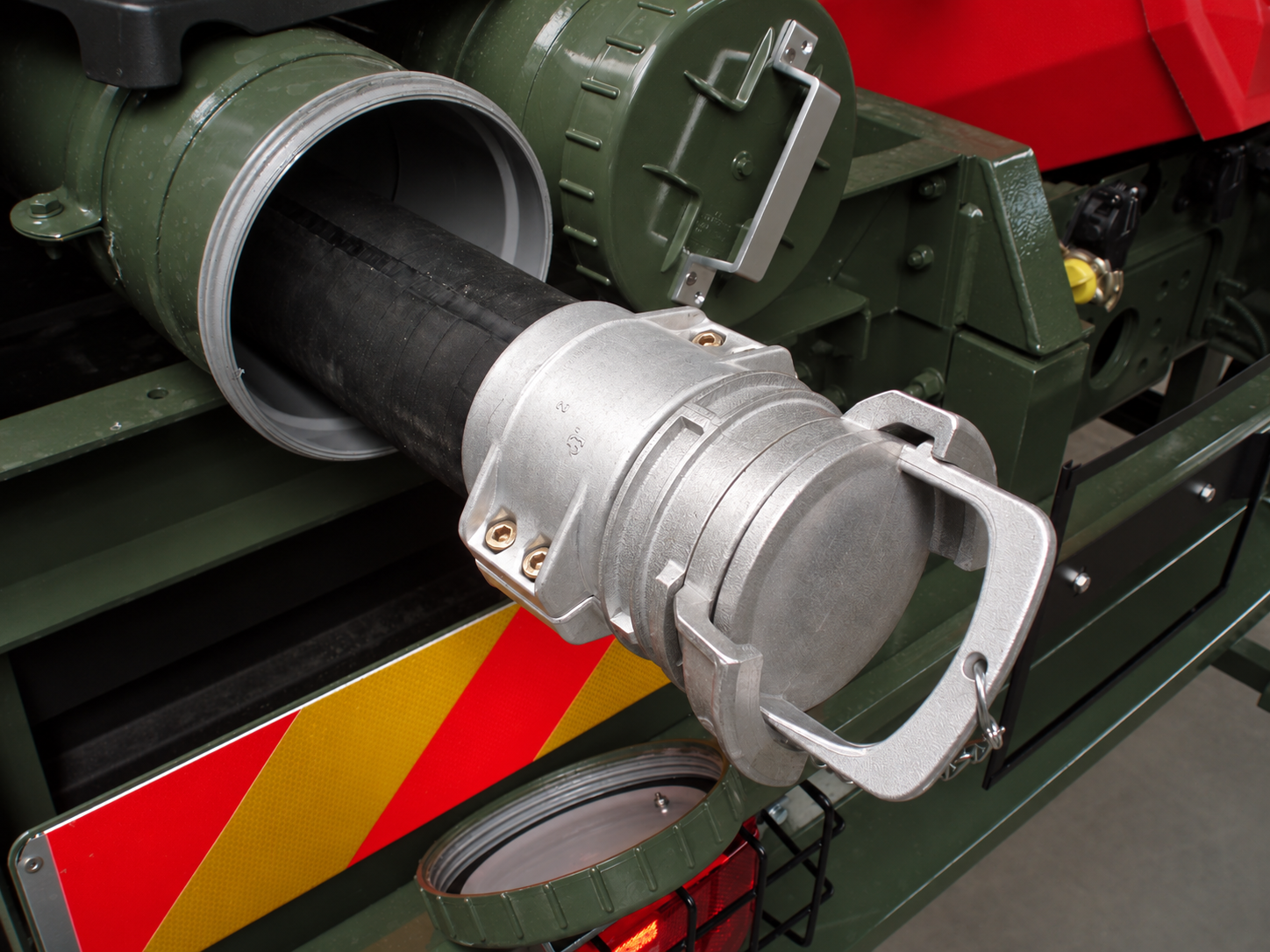
At the equipment interface, protect nozzles, couplings, sampling points, and open connections against contamination. Keep protective caps and stowage arrangements serviceable. Before proceeding, assess damaged seals, exposed openings, or contamination around connections; the key question is whether the fuel-contact surfaces remain protected.
Treat maintenance and construction work as controlled interruptions to the fuel system. Manage exposed pipe ends, unclean replacement parts, and unsuitable residues before returning the equipment to operation.
3. Take Samples That Answer the Right Question
Sampling should have a defined purpose. Checking a low point for accumulated contamination is not the same as obtaining a representative sample for laboratory assessment.
Specify the sampling location, required preparation, suitable container, test method, and acceptance criteria in the operating procedure. Keep sampling equipment clean and identify where each sample originated. Record the result and the action taken—not simply that a check was completed.
A visual appearance check is useful for identifying visible particulate matter and indications of free water. ASTM D4176 describes visual procedures for suspended free water and solid particulate contamination in distillate fuels. Its scope is not a complete assessment of fuel composition or every possible contaminant. A clear-and-bright result therefore does not, by itself, confirm that fuel meets its full specification.
Use the additional water-detection, particulate, or laboratory tests required by the applicable programme and the circumstances. If an abnormal result raises concern, select further testing to investigate it rather than relying on repeated visual checks alone.
4. Understand What Filtration and Monitoring Can Prove
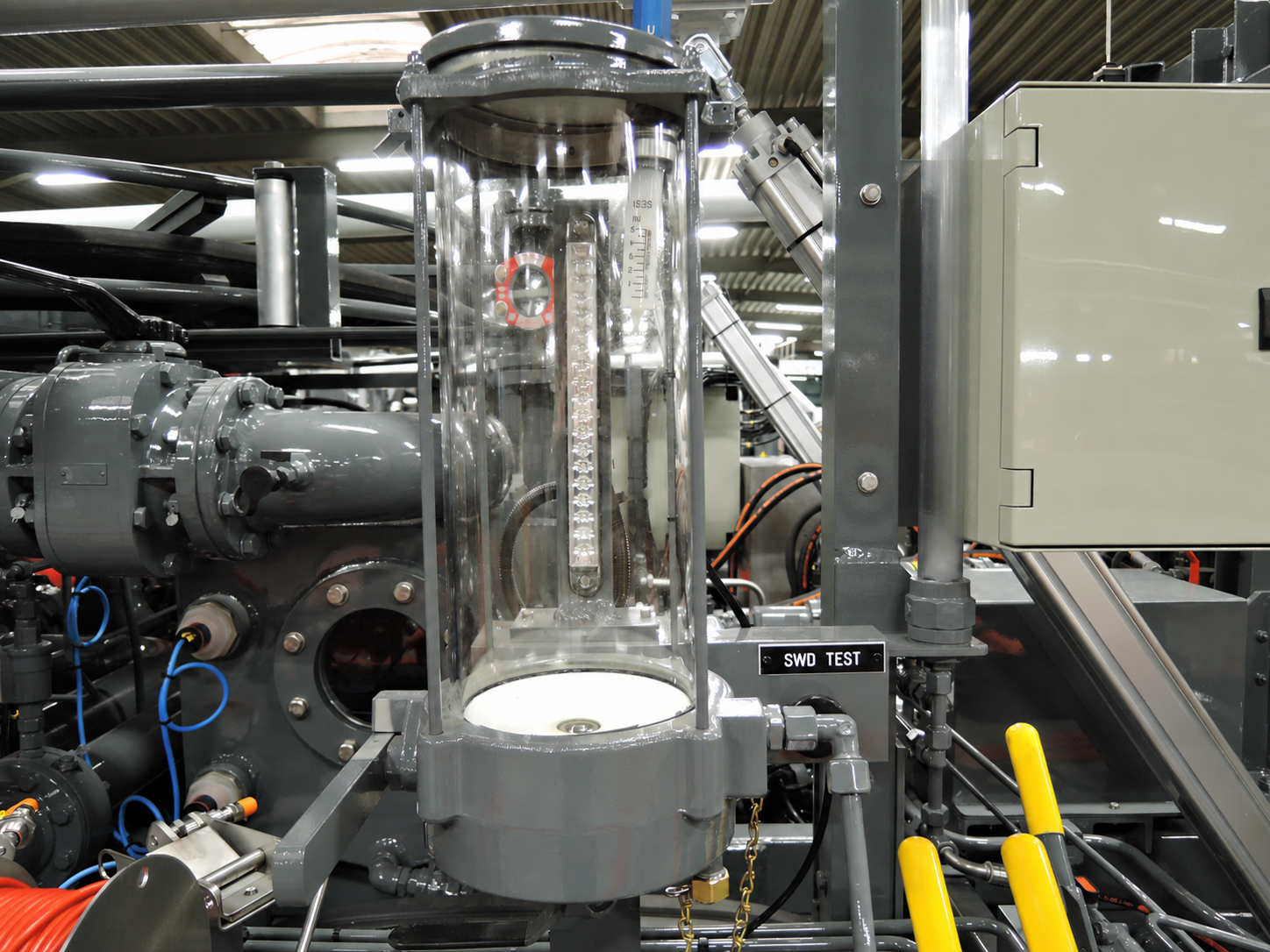
Filtration systems differ in what they remove and how they provide protection. Select equipment suitable for the fuel service, operating conditions and adopted standard, and operate it within its qualified limits. EI 1550 explains the application of filtration technologies, electronic sensors and bulk-water detection equipment.
One important distinction is that dirt defence filters remove particulate contamination; they are not water-removal devices. For jet-fuel service, EI 1599 describes their use alongside a quantitative electronic water sensor as part of a wider fuel-quality protection system. A filter’s presence alone does not establish that all required protection is provided.
Differential pressure has a different role. It measures pressure loss across the filter and supports assessment of its operating condition. Interpret readings alongside delivery flow and previous results, and investigate unexpected changes. A normal differential-pressure reading does not confirm that fuel is free from chemical contamination.
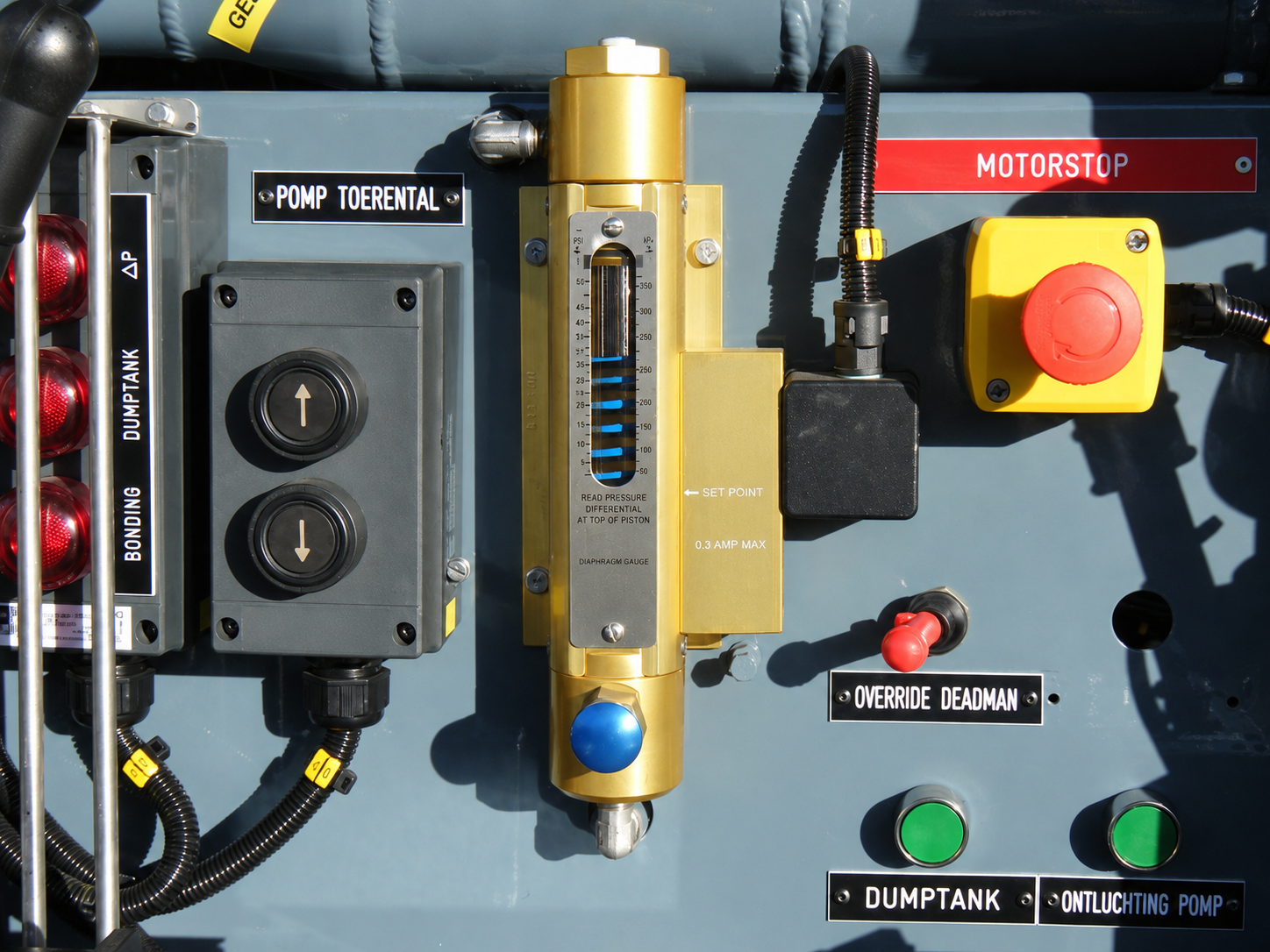
ARC’s article on an unreadable differential-pressure gauge discusses the importance of dependable indication.
Electronic water sensors also have a defined function—not the capability to establish every fuel-quality characteristic. Their suitability, functional checks, and associated alarm or shutdown response belong within the equipment’s approved operating and maintenance arrangements.
5. Control Contamination During Maintenance and Return to Service
Opening a fuel system can expose its internal surfaces to contamination.
New components may contain manufacturing or preservation residues; repair work can introduce debris or other unwanted material. A successful mechanical repair or leak test does not demonstrate that the fuel-contact surfaces are ready for aviation service.
EI 1540 addresses cleaning, flushing, soak testing and commissioning considerations. Determine the required work from the intervention, materials and applicable procedure. Do not assume that every minor replacement requires the same programme as a new installation—or that minor work requires no cleanliness verification.
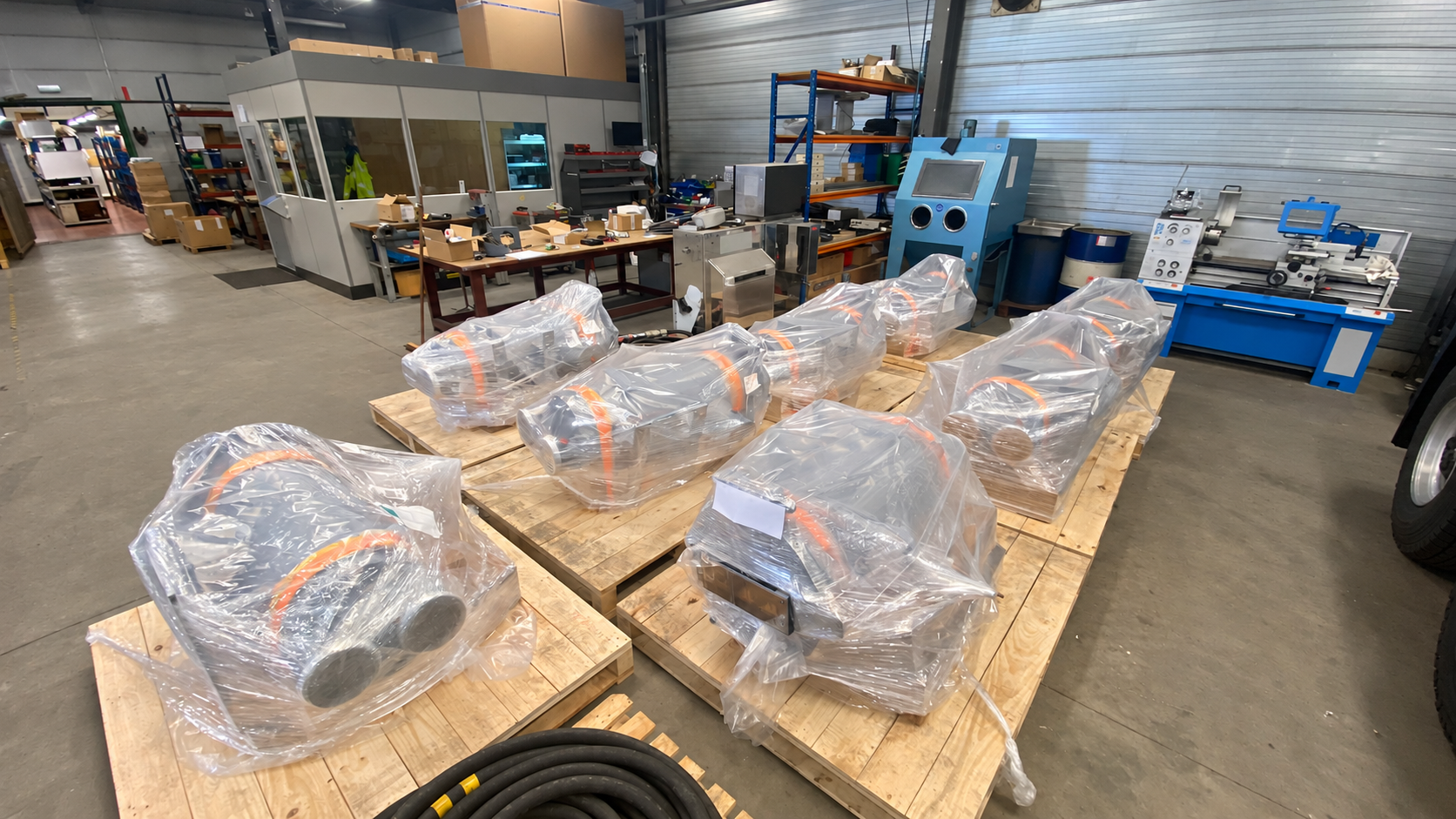
Plan the verification before dismantling begins. Establish who will provide suitable test fuel, collect samples, review results, manage recovered product and authorise release. Retain the records linking the work performed to the checks completed.
ARC’s aircraft refueller refurbishment guide explains how testing, documentation and recommissioning fit into the wider return-to-service process.
6. Respond to Suspected Contamination Before Further Delivery
When a sample fails the applicable release criteria, an unexpected finding calls fuel quality into question, or fuel identity becomes uncertain, stop or do not start the affected transfer. Follow the site’s escalation procedure and secure the suspect fuel and affected equipment against further operational use pending assessment and authorised release.
Notify the responsible supervisor and fuel-quality personnel. Preserve relevant samples and records, including the supply source, equipment involved, transfer history, and potentially affected deliveries. The investigation should establish the extent of the issue, not just the condition at the first point of discovery.
If aircraft may already have received affected fuel, promptly notify the relevant aircraft operators through the established response process. Contaminated hoses or equipment can remain a source of exposure after the initial delivery, so tracing equipment use matters alongside tracing the fuel batch.
Do not assume that further filtration or a later clear-looking sample resolves the original concern. The responsible technical personnel should determine the investigation, treatment or disposal, equipment cleaning, testing, and release requirements.
Return to service requires an authorised decision supported by the investigation and verification—not simply the disappearance of the first visible symptom.
7. Build the Programme Around Applicable Requirements
Use the right reference for each part of the operation.
JIG 1 and JIG 2 address into-plane fuelling services and airport depots and hydrants respectively. EI/JIG 1530 addresses quality assurance through manufacture, storage and distribution to airports. These scopes are complementary, not interchangeable.
Translate the applicable legal requirements, adopted standards, fuel-supply requirements and manufacturers’ instructions into controlled site procedures. Define the checks, frequencies, limits, responsibilities and escalation arrangements for the actual equipment. An undifferentiated instruction to “check everything daily” is not a substitute for that programme.
Training should enable personnel to recognise unacceptable findings, understand the limits of each test and stop or escalate when required. Review records for recurring contamination, abnormal readings and incomplete corrective actions—not only for completed signatures.
Protecting fuel quality means preventing contamination, detecting what the available methods can reveal and containing uncertainty before it reaches another aircraft.
Contact Us
ARC NV supports aircraft-refueller operators with equipment inspection, maintenance, refurbishment and technical support.
Whether you are reviewing sampling arrangements, filtration monitoring or return-to-service requirements following maintenance, discuss your equipment and operating needs with our team.
Explore our vehicle inspection services or contact ARC NV.
Email: [email protected]

 Ravitailleurs
 Distributeurs
 Applications Militaires
 Pièces de rechange
 Entretien et réparations
 Remise à neuf de véhicules
 Contrôles
 Gestion du cycle de vie des véhicules


