
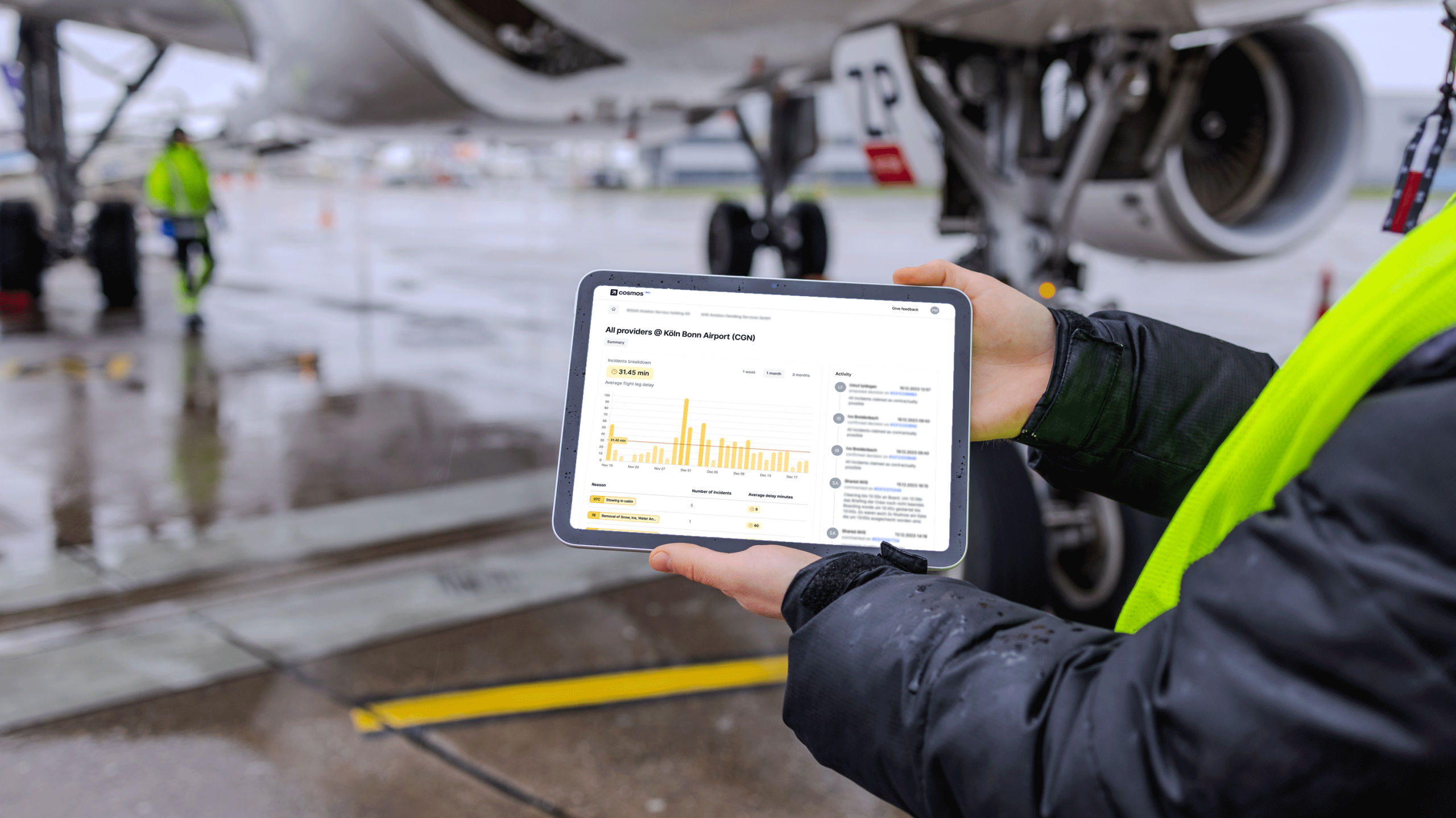
Aviation Refuelling Performance Analytics: Measuring What Matters

In modern aviation, operational efficiency and safety are inseparable. Airlines and airports operate under compressed turnaround windows, increasing traffic density, and strict regulatory oversight. In this environment, optimizing refuelling performance is no longer optional — it is operationally critical.
Aviation refuelling performance analytics provides actionable insights that help operators measure what truly matters in operational excellence—fuel efficiency, turnaround times, safety compliance, and operational costs. Leveraging analytics in this context ensures that every refuelling operation contributes to profitability, sustainability, and reliability.
This guide explores the importance of aviation refuelling performance analytics, the key metrics to monitor, the tools and technologies that make it possible, and how data-driven decisions improve both operational efficiency and safety.
What Are Aviation Refuelling Performance Analytics?
Aviation refuelling performance analytics refers to the systematic collection, measurement, and analysis of data related to aircraft refuelling operations.
This includes metrics such as fuel volume accuracy, refuelling duration, and fuel quality monitoring — according to industry fuel quality standards — alongside safety compliance and equipment performance indicators. By tracking and analyzing these metrics over time, aviation fuel service providers, airlines, and airport operators can identify process inefficiencies, predict equipment failures, reduce operational risk, and implement targeted improvements.
In essence, refuelling analytics transforms operational data into actionable insights. It helps stakeholders not only understand what is happening but also why it happens and how processes can be optimized for better performance.
Why Aviation Refuelling Analytics Matters?
Fuel is one of the largest operational expenses for airlines, often accounting for 20–30% of total costs. Even marginal inefficiencies in refuelling accuracy, delays, or procedural deviations directly affect profitability. Furthermore, refuelling remains a high-risk operation and must be conducted in accordance with international aviation fuelling guidelines governing bonding, fuel sampling, nozzle control, and vehicle positioning. Spills and overfilling can compromise safety, damage aircraft, and result in regulatory penalties.
By applying performance analytics, operators gain a clear picture of every aspect of refuelling operations. Analytics enables them to:
- Identify bottlenecks in turnaround times
- Track and prevent fuel wastage or discrepancies
- Track compliance with EI/JIG procedures
- Monitor adherence to safety protocols and regulatory standards
- Optimize staffing and equipment usage
- Predict maintenance needs for refuelling vehicles and infrastructure
- Strengthen audit readiness
Ultimately, digital audit trails and incident trend analysis improve compliance, ensuring operations remain aligned with European ground handling oversight frameworks and regulatory reporting expectations.t. This is no longer just operational monitoring — it is risk management.
Technologies Enabling Refuelling Analytics
Modern aviation refuelling relies on a combination of hardware and software solutions through integrated digital ecosystems. Key technologies include:
- IoT-enabled refuelling vehicles: Connected refuellers and hydrant dispensers transmit real-time operational data, including delivered volume, flow rates, pressure data, and vehicle operational status.
- Data management platforms: Centralized data platforms aggregate operational data into dashboards that enable KPI tracking, trend analysis, incident correlation, and visualization of refueling data, making it easier to track trends and identify anomalies.
- Mobile Operator Interfaces: Digital logging reduces manual reporting errors and improves traceability.
- Predictive analytics and AI: Advanced algorithms analyze historical data to forecast equipment failures, fuel demand, or operational delays.
Together, these technologies enable actionable insights and real-time decision-making for better operational control.
Benefits of Aviation Refuelling Performance Analytics

One of the main benefits of aviation refuelling performance analytics is enhanced operational efficiency. By tracking key metrics such as fuel delivery accuracy, refuelling duration, and equipment utilization, operators can identify bottlenecks, streamline workflows, and optimize resource allocation.
This not only shortens turnaround times but also ensures aircraft are refueled safely and on schedule, thereby improving airline punctuality and airport operations. Real-time insights allow immediate corrective actions, preventing delays and minimizing the risk of operational disruptions.
In addition to efficiency, performance analytics offers high cost and safety advantages. Accurate monitoring of fuel usage and wastage helps reduce unnecessary expenditure, while predictive maintenance of refuelling vehicles lowers downtime and repair costs.
Moreover, tracking safety-related data, including incidents, procedural deviations, and fuel quality, enhances compliance with industry standards and regulations, reducing the likelihood of accidents or penalties. By turning operational data into actionable intelligence, aviation refuelling performance analytics enables operators to make informed decisions that improve reliability, profitability, and overall operational excellence.
Best Practices for Measuring What Matters
To maximize the impact of aviation refuelling performance analytics, operators should focus on clearly defined metrics, such as fuel delivery accuracy, refuelling time, and safety compliance. Integrating data from multiple sources—including refuelling vehicles, hydrant systems, and mobile operator logs—provides a complete operational picture, while real-time monitoring allows immediate action on anomalies.
- Define Clear Metrics: Identify which KPIs—such as fuel accuracy, refuelling time, and safety incidents—have the greatest impact on operations.
- Integrate Data Sources: Combine data from fuel trucks, hydrant systems, mobile logs, and sensors to provide a comprehensive operational view.
- Use Real-Time Monitoring: Continuous monitoring allows operators to address issues immediately rather than waiting for post-operation analysis.
- Benchmark Performance: Compare metrics across aircraft types, shifts, fleets, and facilities to uncover best practices and standardize procedures.
- Implement Continuous Improvement: Use analytics insights to refine training, adjust equipment deployment, and optimize workflow.
Benchmarking performance across aircraft types, shifts, and facilities helps identify best practices, and a commitment to continuous improvement ensures that insights translate into optimized workflows, reduced costs, and enhanced safety.
By following these practices, operators ensure that their refuelling operations remain efficient, safe, and cost-effective.
The Future of Aviation Refuelling Analytics
The aviation industry is increasingly embracing digital transformation, and refuelling operations are no exception.
Emerging technologies such as AI, machine learning, and IoT-enabled predictive maintenance are set to revolutionize how refuelling performance is measured and improved. Smart refuelling systems will not only optimize fuel delivery but also integrate with airline scheduling, weather data, and airport traffic systems to deliver a truly holistic approach to operational efficiency.
Moreover, sustainability goals are driving airlines and airports to reduce fuel waste and emissions. Performance analytics allows operators to monitor fuel usage more precisely, reduce spillage, and support SAF integration strategies that align with environmental regulations and corporate responsibility initiatives.
Conclusion
Aviation refuelling performance analytics is no longer a luxury—it is a necessity. By measuring what truly matters, operators can optimize fuel delivery, improve turnaround times, ensure compliance with safety standards, and reduce operational costs.
Leveraging advanced technologies and data-driven insights empowers airlines and fuel service providers to operate more efficiently, safely, and sustainably. As the aviation industry continues to evolve, organizations that adopt performance analytics in their refuelling operations will gain a competitive edge, delivering better service, minimizing risk, and contributing to a safer, more efficient air transport ecosystem.
Measuring what matters isn’t just about data—it’s about smarter, safer, and more profitable aviation operations.
Join the journey toward a more sustainable, resilient aviation ecosystem—driven by smarter fuels and responsible ground-handling solutions.

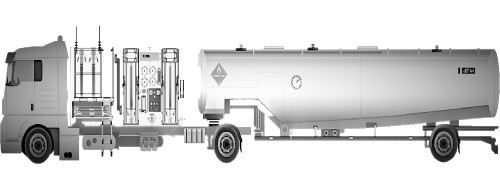 Ravitailleurs
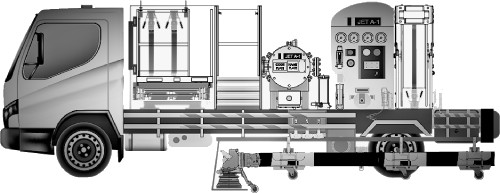 Distributeurs
 Applications Militaires
 Pièces de rechange
 Entretien et réparations
 Remise à neuf de véhicules
 Contrôles
 Gestion du cycle de vie des véhicules


